Most advertisers struggle with fragmented data and inconsistent messaging when running campaigns across multiple platforms, often leading to a 30% reduction in ROI compared to a unified approach. A robust multi-platform ad strategy is essential to overcome these inefficiencies, ensuring your marketing efforts are cohesive and impactful across Google, Meta, and TikTok. This article explores how to integrate your campaigns, unify audience targeting, craft platform-specific creative, and centralize budget management for maximum performance.
The Multi-Platform Ad Strategy Imperative
A multi-platform ad strategy addresses the modern customer journey, which rarely occurs on a single channel. This strategic approach ensures your brand maintains consistent visibility and messaging across diverse digital touchpoints, leading to a more effective customer acquisition funnel. I’ve seen clients achieve a 15-20% higher conversion rate when moving from siloed campaigns to a truly integrated multi-platform ad strategy, primarily because it allows for sequential messaging and retargeting across different platforms.
The outcome of this integration is a holistic view of customer interactions, enabling smarter optimization decisions. For example, a user who clicks a Google Search Ad but doesn’t convert immediately can be retargeted with a video ad on Meta or TikTok, continuing the engagement. This seamless transition is critical for moving prospects through the funnel. Understanding how to unify these disparate audiences is the next crucial step.
Unifying Audiences Across Google, Meta, and TikTok
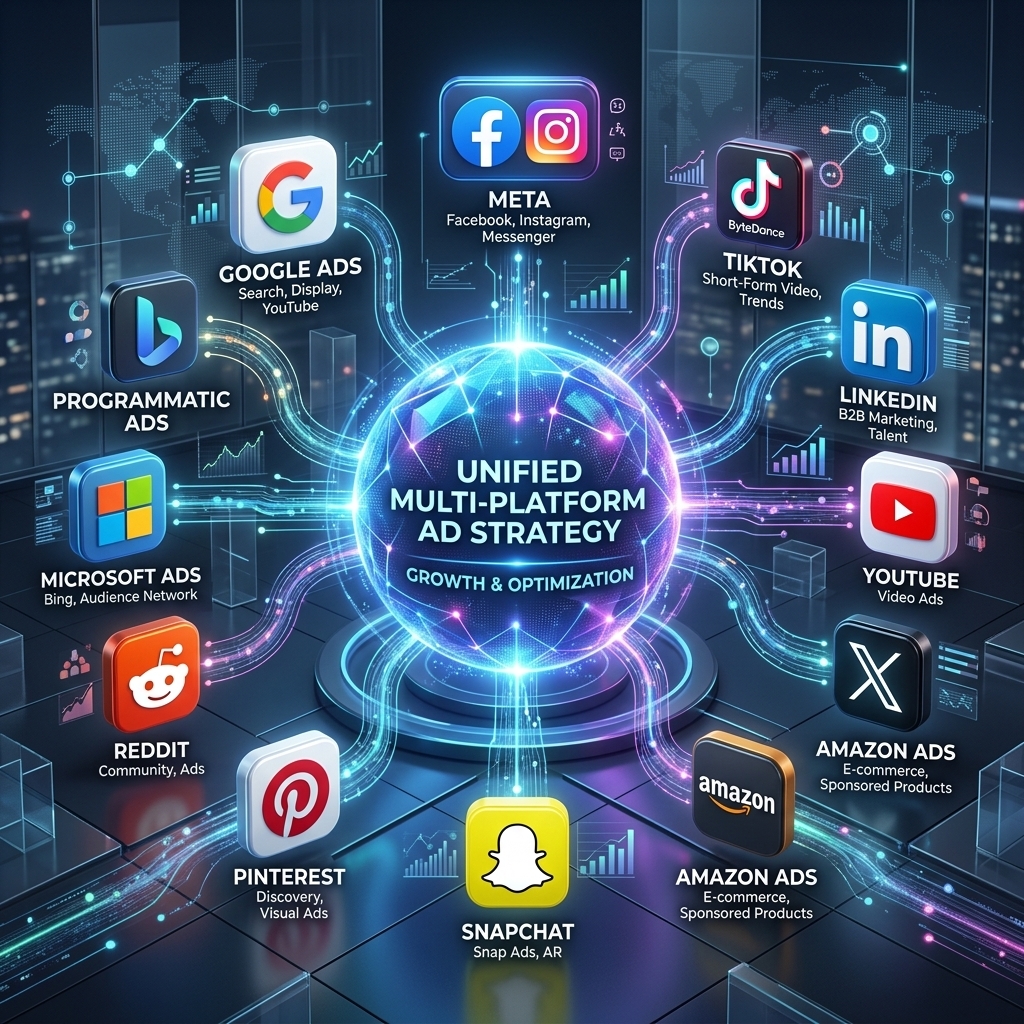
Unifying audiences across Google, Meta, and TikTok ensures that your ad spend targets the right people with maximum precision, regardless of their preferred platform. Our campaigns show that leveraging first-party data (CRM lists, website visitors) to build custom audiences and lookalikes across these platforms can reduce Cost Per Lead (CPL) by up to 25%. This process involves uploading customer lists to each platform and then creating lookalike audiences based on those seed lists, effectively expanding your reach to similar high-value prospects.
For instance, a client recently achieved a 1.8x ROAS increase by using their high-intent website visitor list from Google Analytics to create custom audiences on Meta and TikTok. This allowed them to retarget visitors with relevant offers on social platforms, complementing their search efforts. Advertisers using a verified agency ad account from AdShift often find it easier to manage and share these sensitive audience lists securely across platforms, bypassing typical new account restrictions that can delay data synchronization. Once these unified audiences are established, the next challenge is to tailor compelling messages for each specific platform.
Crafting Platform-Specific Creative & Messaging
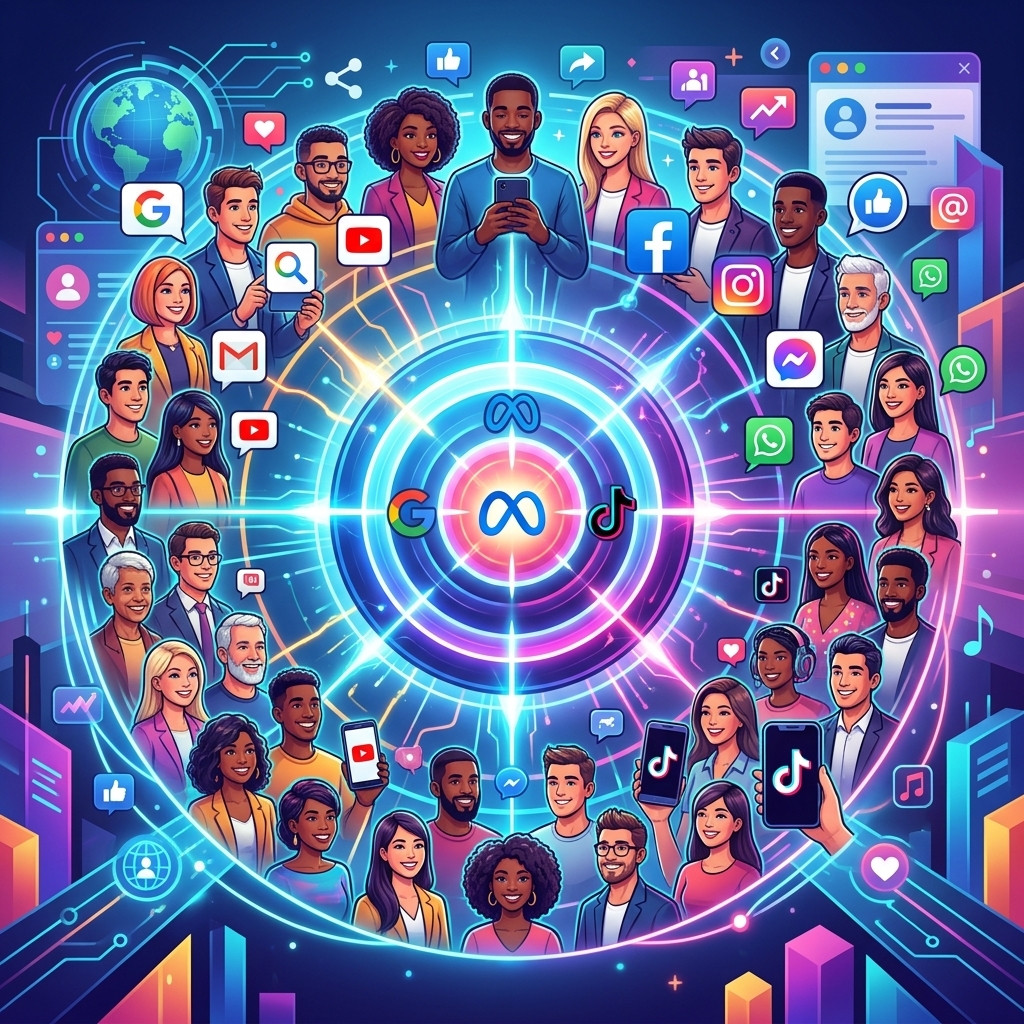
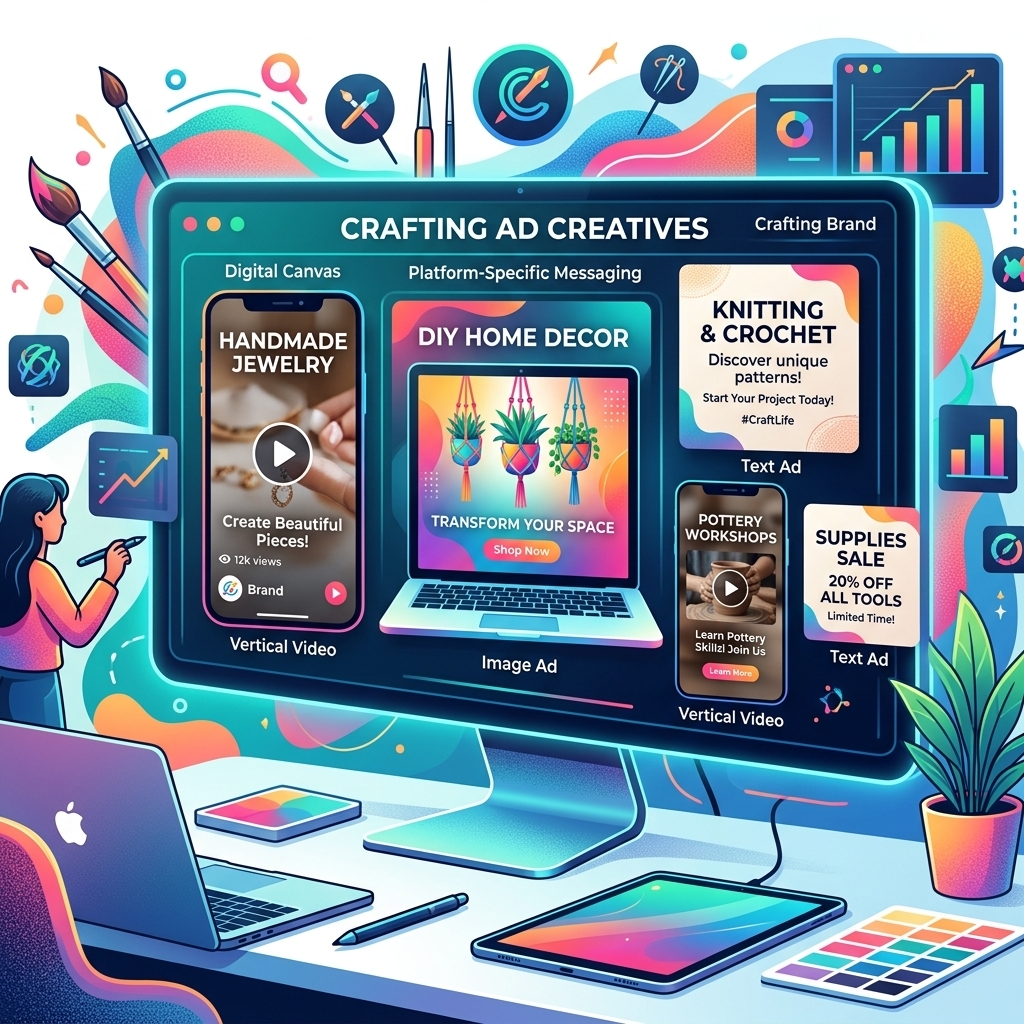
Crafting platform-specific creative maximizes engagement by aligning your ad content with the native user experience of each channel. Google Ads, Meta Ads, and TikTok Ads each demand distinct creative approaches to resonate with their unique user behaviors and content formats. For Google Search, direct, keyword-rich text ads are paramount; for YouTube, compelling long-form video. Meta platforms (Facebook, Instagram) thrive on high-quality static images, carousels, and short, engaging videos, often with a storytelling element. TikTok, conversely, demands authentic, fast-paced, vertical video content that feels organic to the platform, not overly polished.
A client recently achieved a 35% higher click-through rate on TikTok by adopting user-generated content (UGC) style videos compared to repurposed Meta creatives. They found that a casual, influencer-led approach outperformed traditional brand ads on TikTok, even for the same product. This demonstrates the critical need for creative adaptation, not just duplication. With tailored creative in place, the strategic allocation and tracking of budgets across these diverse platforms become the next focus.
Centralized Budget Allocation and Performance Tracking
Centralized budget allocation optimizes ad spend by dynamically shifting resources to the platforms and campaigns delivering the highest ROI within your multi-platform ad strategy. Relying on last-click attribution for multi-platform campaigns can be misleading; instead, implement data-driven attribution models or multi-touch attribution (e.g., linear, time decay) to understand the true impact of each touchpoint. Our data indicates that advertisers who implement a unified tracking system can reallocate up to 15% of their budget to higher-performing channels, boosting overall campaign efficiency.
Utilize tools like Google Analytics 4 (GA4) or a Customer Data Platform (CDP) to consolidate conversion data from Google Ads, Meta Ads, and TikTok Ads. This provides a single source of truth for performance metrics, allowing for informed budget adjustments. For example, if TikTok is driving strong top-of-funnel awareness that converts later on Google Search, a multi-touch model will correctly attribute value to TikTok. For more insights on selecting robust ad account solutions that facilitate this level of tracking, explore our guide on top ad account providers. Implementing such a system, often faces operational hurdles that need strategic solutions.

Overcoming Operational Hurdles with Agency Ad Accounts
Overcoming operational hurdles in multi-platform advertising is crucial for maintaining campaign momentum and scaling efficiently. Common challenges include restrictive spending limits on new ad accounts, lengthy verification processes, and unexpected account suspensions that can halt campaigns across platforms. These issues are particularly disruptive when trying to coordinate a multi-platform ad strategy, as a problem on one account can impact the entire funnel.
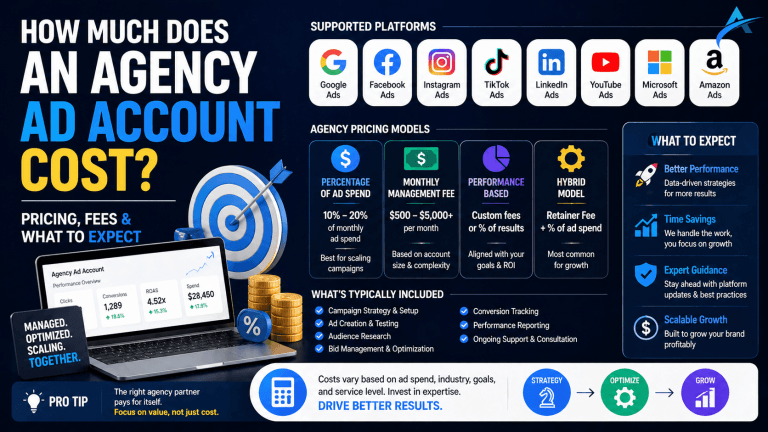
Agency ad accounts offer a robust solution to these operational bottlenecks. These accounts typically come with higher spending limits, pre-verified status, and a history of good standing, allowing advertisers to launch and scale campaigns immediately without the typical delays. For example, a new advertiser trying to spend $10,000/day on TikTok might face a $50/day limit for weeks; with a verified agency ad account, that limit is often bypassed from day one. AdShift provides access to such high-quality, pre-vetted agency ad accounts for Google, Meta, and TikTok, significantly streamlining the setup and scaling process. To ensure your multi-platform ad strategy runs without interruption, consider options to rent agency ad account solutions that provide immediate access and stability across all major platforms.

FAQ
What is a multi-platform ad strategy?
A multi-platform ad strategy involves running coordinated advertising campaigns across multiple digital advertising channels, such as Google Ads, Meta Ads (Facebook/Instagram), and TikTok Ads, to reach target audiences at various touchpoints. This approach aims to create a cohesive brand experience, leverage platform-specific strengths, and optimize overall campaign performance by unifying audience targeting, creative messaging, and budget allocation.
How do agency ad accounts help with multi-platform campaigns?
Agency ad accounts provide several critical advantages for multi-platform campaigns, including higher spending limits, immediate access to advanced features, and often better support from ad platforms. They help bypass common issues like new account restrictions, lengthy verification processes, and unexpected suspensions that can disrupt cross-platform efforts. By centralizing operations under robust accounts, advertisers can ensure consistent campaign execution and scale more efficiently across Google, Meta, and TikTok.
Which platforms are best for a multi-platform strategy?
The best platforms for a multi-platform strategy depend on your specific audience and business goals. Generally, Google Ads (Search, Display, YouTube) is crucial for capturing intent and broad reach, Meta Ads (Facebook, Instagram) excels at audience segmentation and social engagement, and TikTok Ads dominates short-form video and younger demographics. A comprehensive multi-platform strategy often combines these three, leveraging their distinct strengths to cover different stages of the customer journey and diverse audience segments.
How do you track performance across different ad platforms?
Tracking performance across different ad platforms requires a robust attribution model and a centralized reporting system. Implementing server-side tracking, using a Customer Data Platform (CDP), or integrating analytics tools like Google Analytics 4 (GA4) with platform APIs allows for a unified view of conversions. Multi-touch attribution models (e.g., linear, time decay, data-driven) help assign credit to various touchpoints, providing a clearer picture of how each platform contributes to the overall multi-platform ad strategy.
What are common challenges in multi-platform advertising?
Common challenges in multi-platform advertising include fragmented audience data, inconsistent messaging across channels, difficulties with budget allocation and attribution, and managing platform-specific policy compliance. Operational hurdles like new ad account spending limits, slow verification processes, and account suspensions can also severely impede a multi-platform ad strategy. Overcoming these requires strategic planning, robust tracking, and often, the use of verified agency ad accounts for smoother operations.
Conclusion
Implementing a cohesive multi-platform ad strategy is no longer optional; it’s essential for achieving scalable growth and maximizing ROI in today’s complex digital landscape. By unifying your audience data, adapting creative to each platform, centralizing budget allocation, and proactively addressing operational challenges with solutions like agency ad accounts, you can build a truly effective and resilient advertising ecosystem.
Ready to unify your multi-platform ad strategy and scale your campaigns without limits? Rent a verified agency ad account from AdShift and gain immediate access to high-spending, stable accounts for Google, Meta, and TikTok.