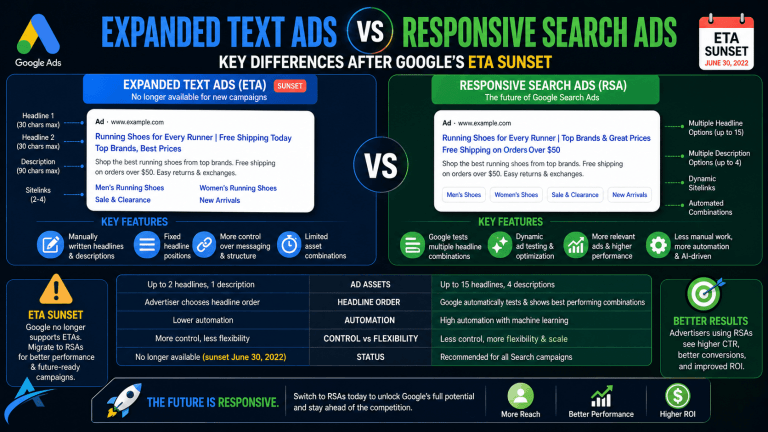

Most B2B advertisers struggle with translating marketing qualified leads into sales accepted leads, often due to misaligned ad strategies that overlook the unique complexities of business-to-business sales cycles. Effective B2B ads require a precise, data-driven approach tailored to longer conversion paths and multiple stakeholders. This guide breaks down what differentiates B2B ads, how to choose optimal platforms, craft compelling ad creatives, implement precision targeting, and measure true ROI, while also addressing common account management hurdles.
What Makes B2B Ads Different?
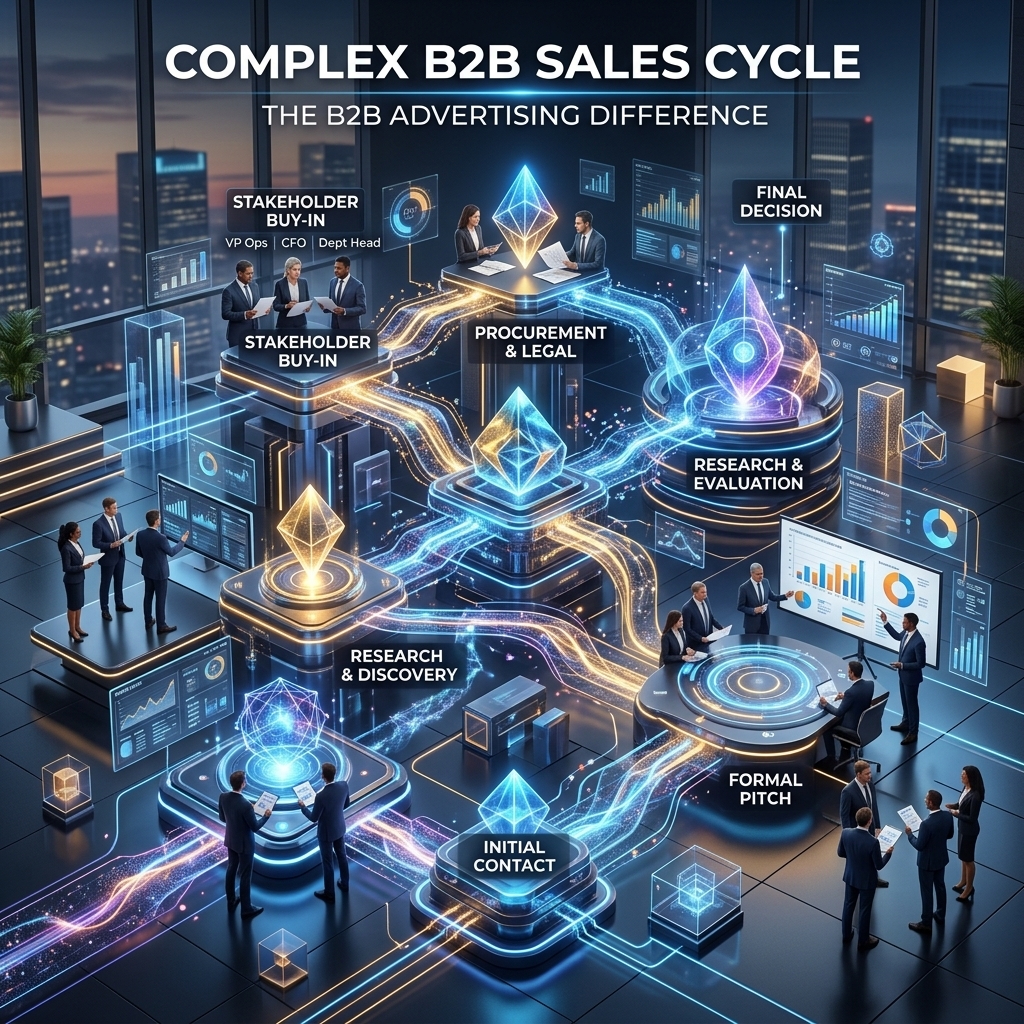
B2B ads differ significantly from B2C advertising by targeting businesses rather than individual consumers. B2B advertising involves marketing products or services to other businesses, leading to longer sales cycles, higher average contract values, and complex decision-making units. For example, I’ve seen B2B sales cycles extend 3-12 months for enterprise software, compared to days or weeks for consumer goods. This requires a strategic focus on lead nurturing and value proposition clarity. Decision-makers often include procurement, IT, finance, and end-users, each with distinct priorities and concerns, making a multi-touchpoint strategy essential.
Understanding these fundamental differences is crucial before selecting the appropriate platforms for B2B campaigns.
Choosing the Right Platforms for B2B Advertising
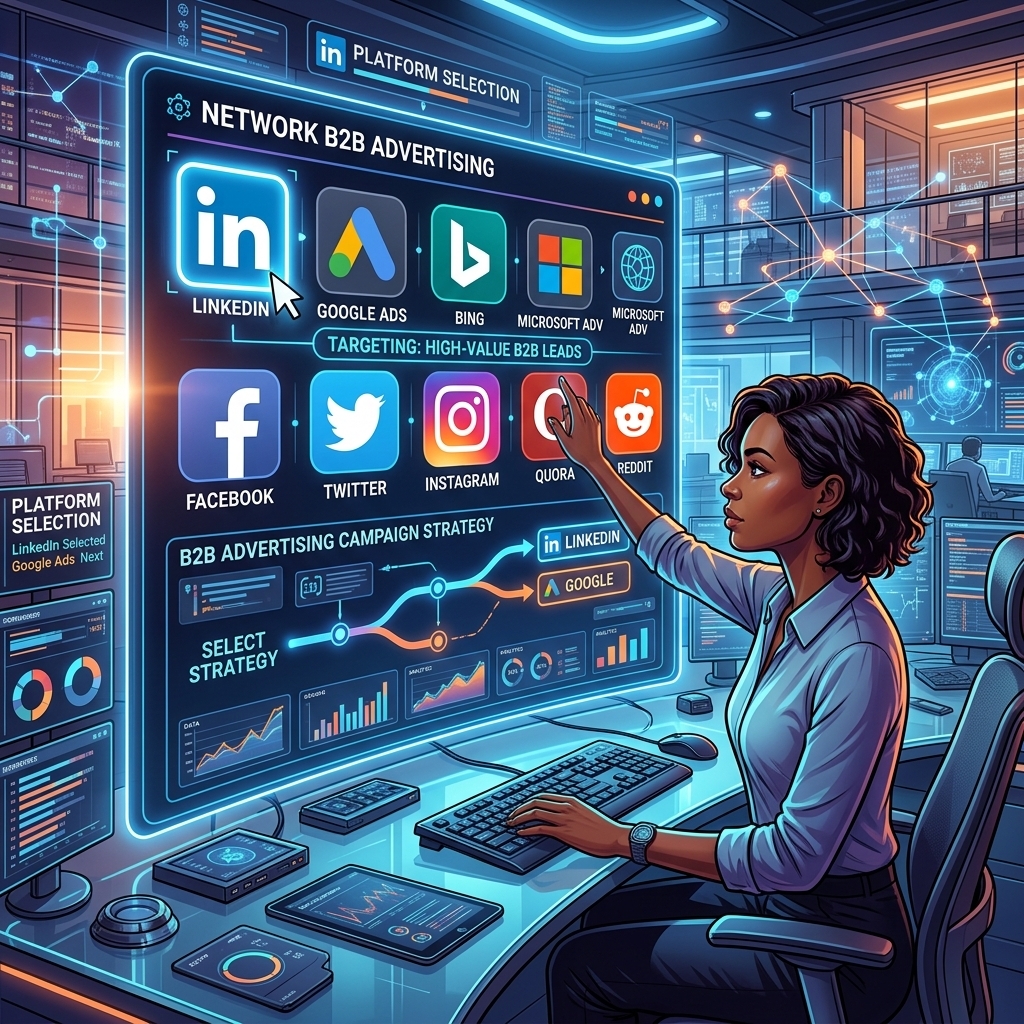
Choosing the right platforms for B2B advertising dictates campaign reach and efficiency. Effective B2B digital ads leverage platforms where business decision-makers spend their professional time and actively search for solutions. Our campaigns consistently show LinkedIn Ads delivering high-quality leads for SaaS, with average CPLs ranging from $50-$200 depending on industry and targeting. Google Ads, particularly Search campaigns, capture high-intent users actively searching for specific solutions, often yielding CPLs between $30-$150 for qualified B2B queries. Meta (Facebook/Instagram) and Bing Ads are also viable for B2B, especially for retargeting or niche audiences, where I’ve seen Meta deliver strong top-of-funnel engagement at CPLs as low as $25 for specific segments. TikTok for B2B is emerging for employer branding and younger professional audiences, offering unique avenues for engagement.
Consider the buyer’s journey stage each platform best serves. Google Ads is excellent for bottom-of-funnel intent, while LinkedIn excels at mid-funnel lead generation and professional networking.
Once platforms are selected, the next critical step involves crafting compelling ad copy and creatives tailored to these B2B audiences.
Crafting High-Converting B2B Ad Copy and Creatives
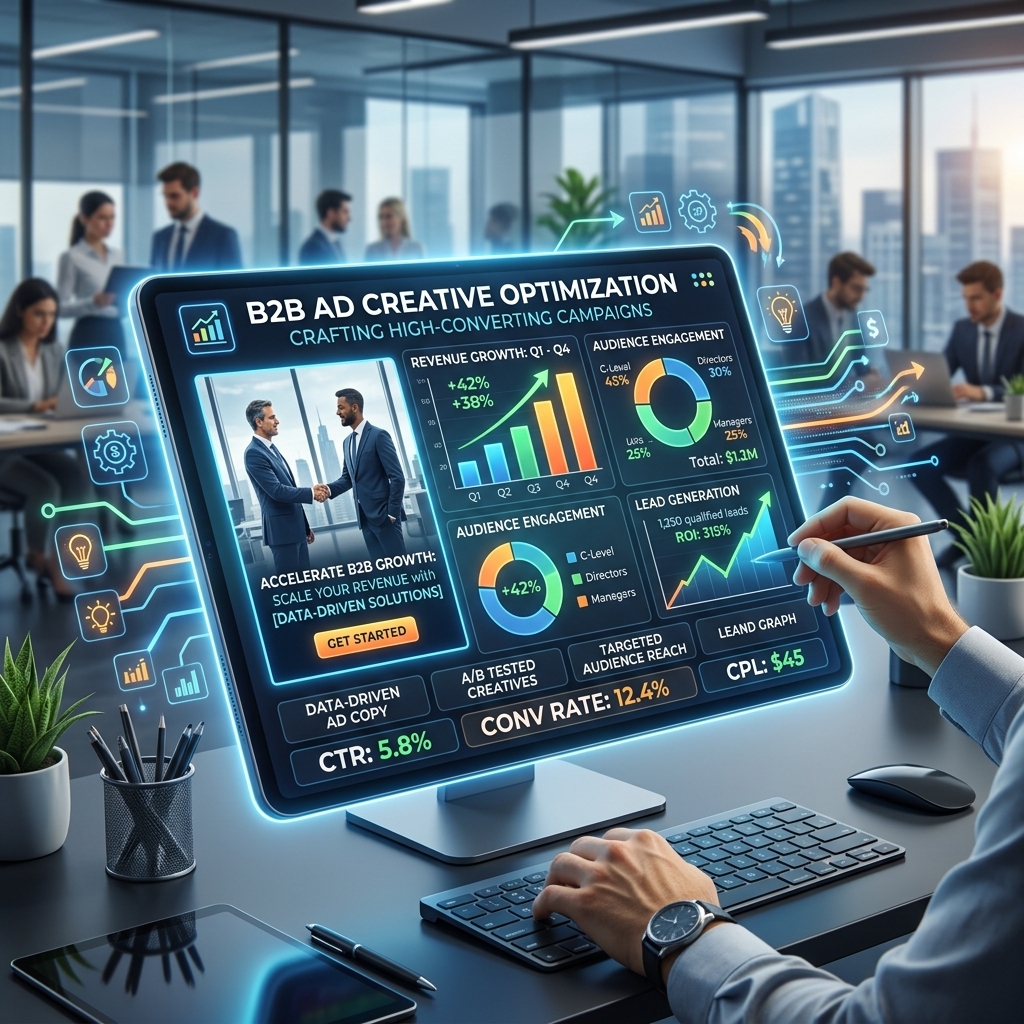
Crafting high-converting B2B ad copy and creatives requires a deep understanding of business pain points and solutions. B2B ad copy must articulate clear value propositions, address specific business challenges, and demonstrate ROI, rather than focusing on emotional appeal. Our A/B tests show that headlines highlighting quantifiable benefits (e.g., “Reduce OpEx by 15%”) outperform generic statements by 2x in click-through rates. Creatives for B2B digital ads should be professional, data-driven (charts, case studies), and often feature product demonstrations or team success stories. A recent client achieved a 30% increase in demo requests by switching from generic stock photos to explainer videos showcasing their software in action.
Utilize testimonials or social proof within your ad copy to build trust and credibility. Case studies demonstrating concrete results are particularly effective in B2B contexts.
With persuasive ads in place, precise targeting ensures these messages reach the right B2B audience segments.
Targeting Strategies for Precision B2B Digital Ads
Targeting strategies for precision B2B digital ads leverage granular data to reach specific companies and roles. Effective B2B advertising relies on firmographic data (company size, industry, revenue), job titles, seniority, and professional interests to segment audiences. On platforms like LinkedIn, I’ve seen success rates climb by 40% when combining job title and industry targeting with specific skill endorsements. Google Ads uses custom intent audiences based on competitor searches or industry keywords, alongside in-market segments for business services. For remarketing, uploading customer lists (CRM data) to create lookalike audiences on Meta and LinkedIn has consistently generated qualified leads at a 50% lower CPA than cold outreach.
Exclude irrelevant job functions or industries to minimize wasted spend and improve campaign efficiency. Focus on decision-makers and influencers within the target organizations.
Once targeted audiences are defined, accurate measurement and continuous optimization are essential to maximize B2B ad performance.

Measuring and Optimizing B2B Ad Performance
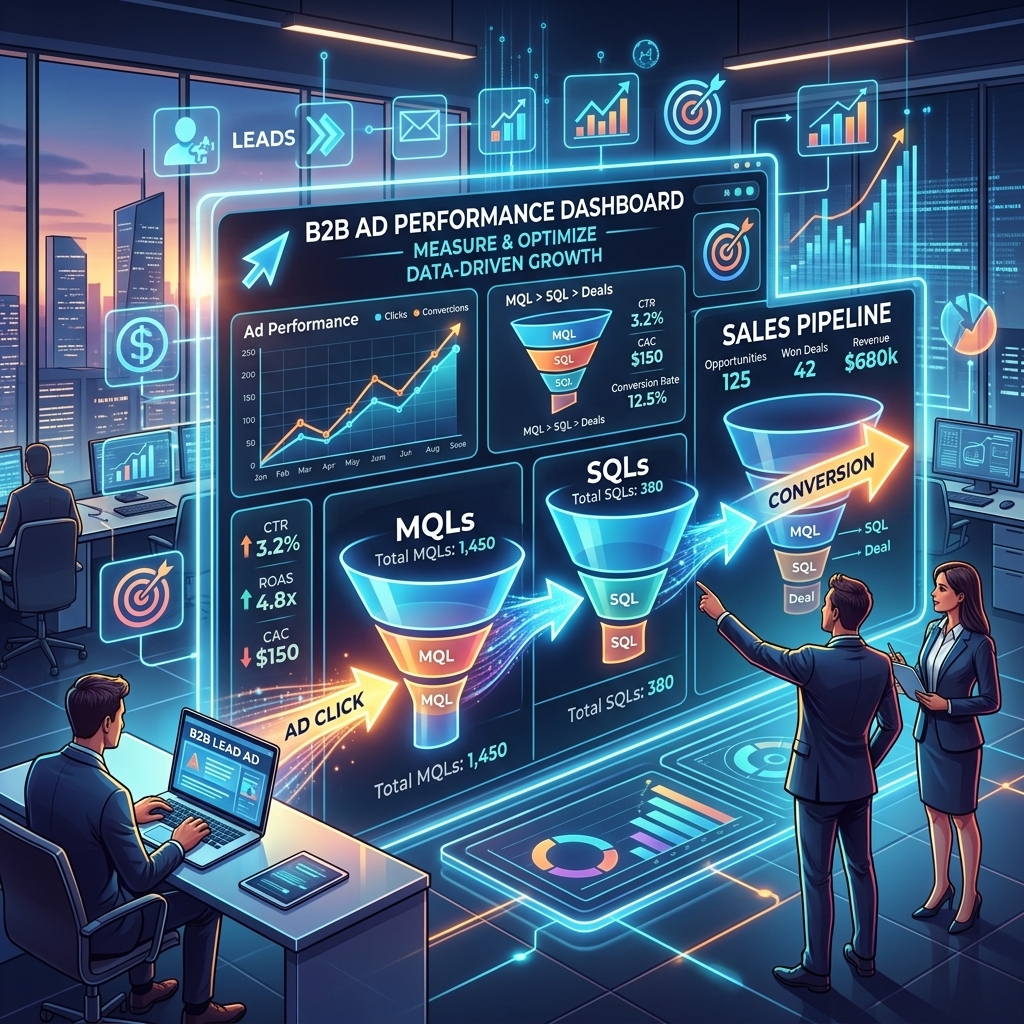
Measuring and optimizing B2B ad performance moves beyond simple clicks to focus on lead quality and pipeline impact. Unlike B2C, B2B digital ads prioritize metrics like Marketing Qualified Leads (MQLs), Sales Qualified Leads (SQLs), and Customer Acquisition Cost (CAC) tied to CRM data, not just conversion rates. Our campaigns integrate ad platforms with CRM systems (e.g., HubSpot, Salesforce) to track lead progression, showing that leads from Google Ads often have a 25% higher close rate than generic display leads. Regular A/B testing of ad copy, landing pages, and calls-to-action is crucial. I advise clients to review lead quality weekly and adjust targeting or budget allocation based on sales feedback.
Don’t just track form fills; track qualified form fills that meet your sales team’s criteria. This ensures your optimization efforts are directed towards truly valuable leads.
Even with robust optimization, B2B advertisers face unique operational hurdles, making efficient account management critical.
Overcoming Common B2B Ad Account Challenges
Overcoming common B2B ad account challenges often involves navigating platform policies, spending limits, and verification processes. Many B2B advertisers, especially those in niche or high-value sectors, encounter issues like prolonged account verification delays (often 2-4 weeks), sudden spending caps, or even unwarranted account suspensions. These issues severely impact campaign launch timelines and scaling efforts. For instance, a client recently faced a $500 daily spending limit on a new Google Ads account, hindering their ability to test new markets effectively. Using a verified agency ad account from AdShift directly addresses these pain points. Advertisers can bypass initial verification delays and often benefit from higher spending limits, allowing immediate campaign launch and scale. This is particularly crucial for time-sensitive B2B product launches or seasonal campaigns. AdShift provides access to battle-tested, compliant agency ad accounts. For businesses seeking reliable infrastructure, rent agency ad account options offer a significant advantage.
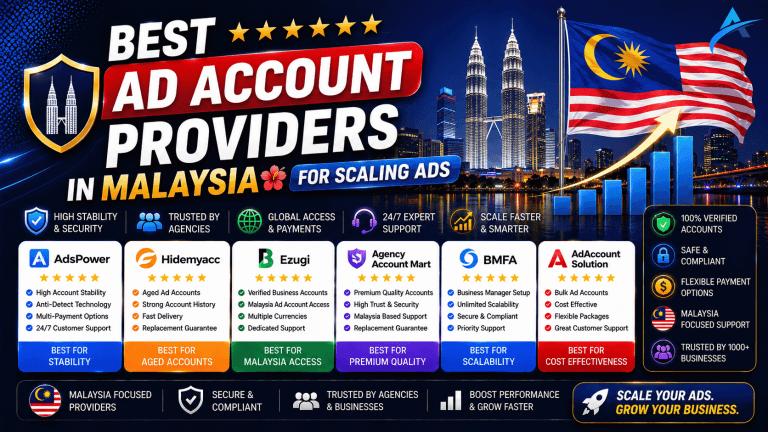
When evaluating solutions for managing these challenges, understanding best ad account providers becomes essential for long-term success. These practical solutions ensure your B2B advertising efforts can scale without unnecessary operational friction.

Frequently Asked Questions About B2B Ads
What is the average B2B ad spend?
B2B ad spend varies widely by industry, company size, and growth goals. Small businesses might spend $1,000-$5,000/month, while large enterprises can allocate $50,000+ monthly. Our data shows that high-growth SaaS companies often invest 20-30% of their projected first-year revenue in customer acquisition, with a significant portion going to B2B digital ads. This investment is typically justified by higher customer lifetime values (LTVs) in the B2B space.
How long do B2B ad campaigns take to show results?
Due to longer sales cycles, B2B ad campaigns typically take longer to show full ROI than B2C. Expect 2-4 weeks for initial lead generation and optimization, but 3-6 months to see significant pipeline impact and closed deals. Our benchmark data indicates that most B2B campaigns require at least 90 days of consistent spend and optimization to mature and demonstrate their full effectiveness. Patience and consistent effort are key.
Can B2B advertising work on Meta (Facebook/Instagram)?
Yes, B2B advertising can be highly effective on Meta platforms, especially for remarketing, brand awareness, and targeting specific professional interests. While LinkedIn is primary for direct lead gen, I’ve seen Meta deliver strong top-of-funnel engagement and retargeting success for B2B clients, often at a lower CPC. It’s particularly useful for building custom audiences from website visitors or CRM lists, allowing you to reach professionals outside of their strict “work mode.”
What are common reasons for B2B ad account suspensions?
Common reasons include policy violations (e.g., misleading claims, prohibited content, issues with landing page quality), rapid spending increases on new accounts triggering fraud detection, using unverified payment methods, or advertising in highly regulated industries without proper disclaimers. These often lead to delays and can be mitigated by using established, verified agency ad accounts that have a proven track record of compliance and spend.
Conclusion
Mastering B2B ads requires a strategic, precise, and measured approach that accounts for the unique complexities of business decision-making. By selecting the right platforms, crafting compelling, value-driven ad copy, implementing granular targeting, and meticulously tracking lead quality through CRM integration, you can drive significant ROI. Overcoming common operational hurdles like account verification and spending limits is also critical for scaling your efforts effectively.
Ready to elevate your B2B advertising without the usual headaches? Rent a verified agency ad account from AdShift and gain immediate access to scaled campaign infrastructure.