Most Google Ads advertisers overlook a critical factor that can slash their CPC by 30% and boost conversions by 20% overnight: their landing page experience. Effective Google Ads landing page optimization isn’t merely about aesthetics; it’s a strategic imperative that directly impacts your ad performance and ROI. This guide will walk you through the essential strategies for Google Ads landing page optimization, from technical setup to continuous A/B testing, ensuring your campaigns convert at their peak potential.
The Critical Impact of Landing Page Experience on Quality Score
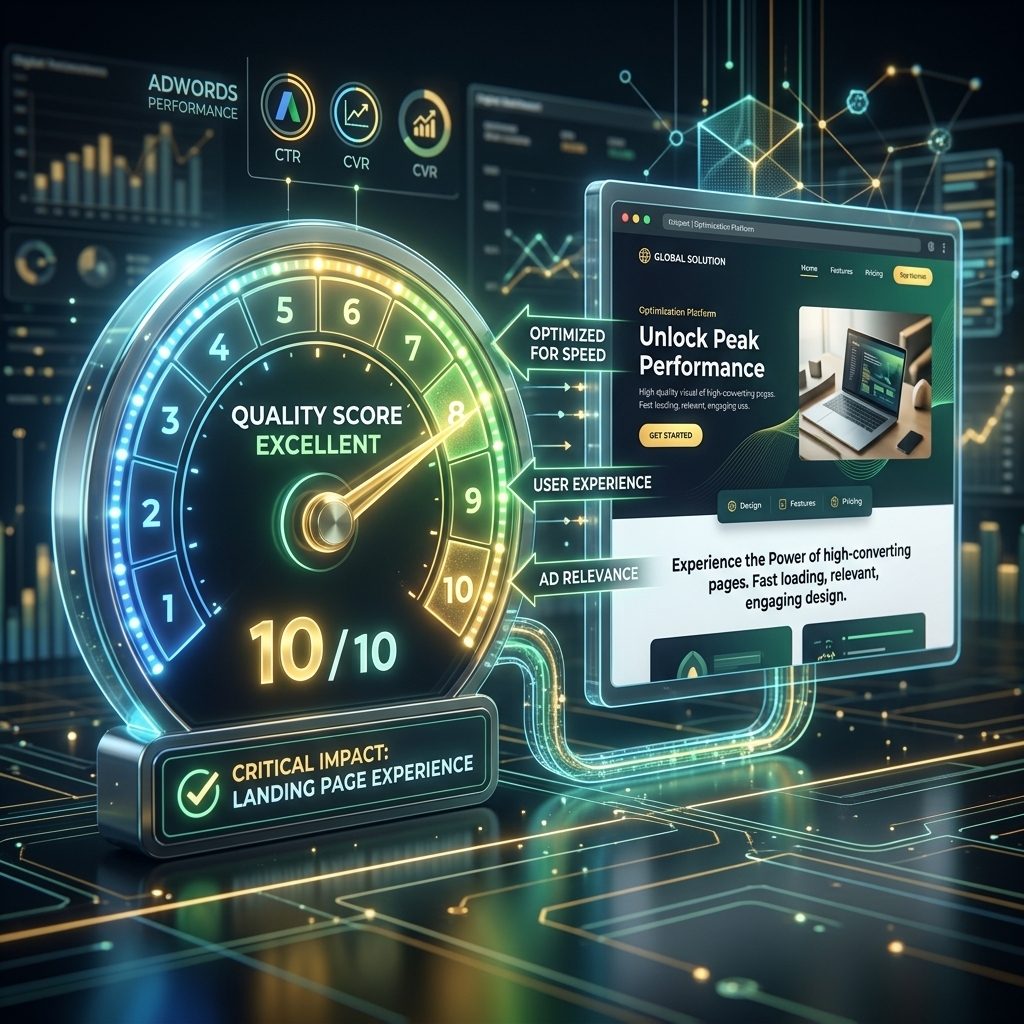
Google Ads landing page experience directly impacts Quality Score by evaluating the relevance and utility of your page to users clicking your ads. Quality Score, a metric from 1-10, heavily influences your ad rank and cost-per-click (CPC). A strong landing page experience signals to Google that your ad is highly relevant, often leading to a 30-50% reduction in CPC and a 10-20% increase in ad position for the same bid. I’ve seen campaigns with sub-par landing pages struggle to achieve a Quality Score above 4, resulting in CPCs 2x higher than competitors with optimized pages.
A client recently improved their landing page load time by 1.5 seconds and saw their average Quality Score rise from 6 to 8, cutting their lead generation CPA by 18% within a month. This direct correlation underscores why Google Ads landing page optimization is not optional, but fundamental.
Understanding this foundational impact, the next step is to examine the specific design and content elements that make a landing page truly effective for conversions.
Essential Elements of High-Converting Google Ads Landing Pages
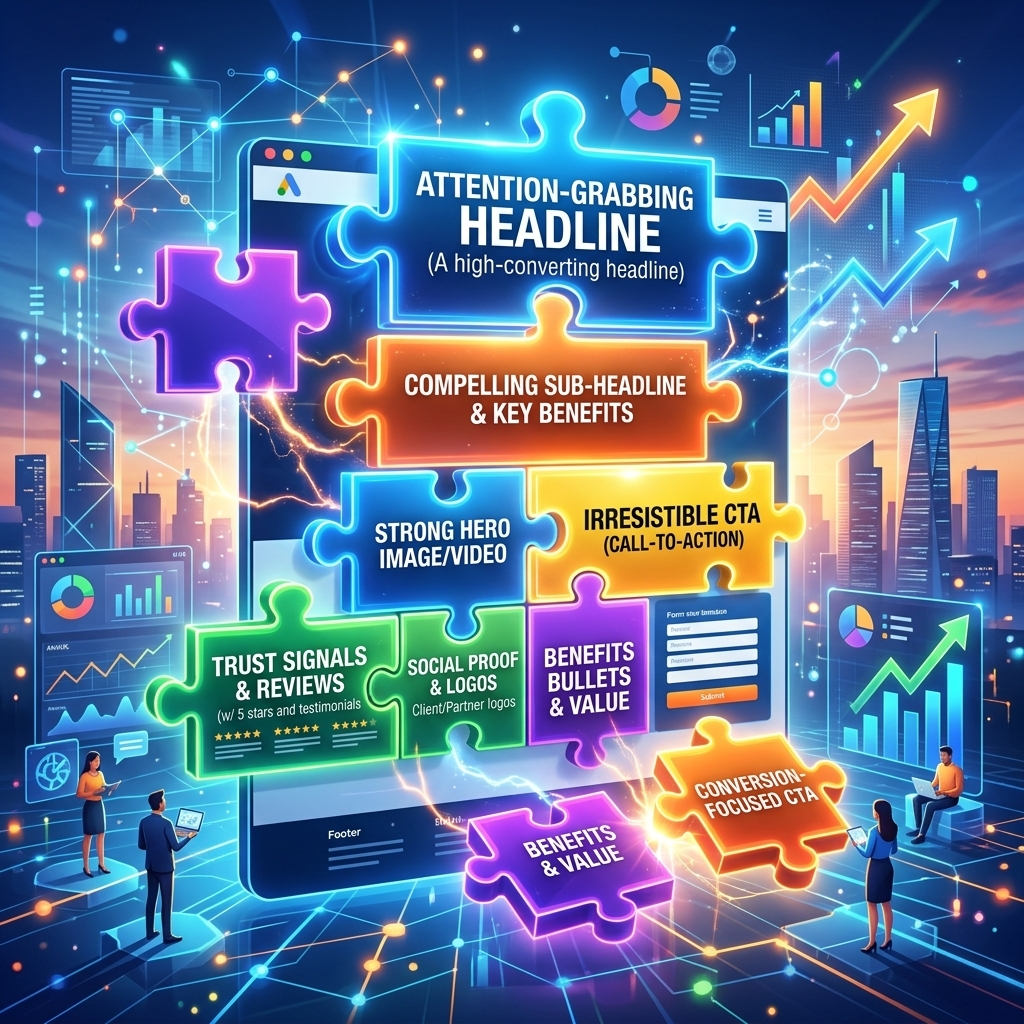
High-converting Google Ads landing pages incorporate essential elements designed to guide the user towards a specific action, minimizing distractions. Key elements include a clear, benefit-driven headline that matches the ad copy, persuasive body copy highlighting unique selling propositions, trust signals like testimonials or security badges, and a prominent, singular call-to-action (CTA). Our campaigns show that pages with a single, clear CTA convert 2.5x better than pages with multiple offers. A well-designed lead form, minimizing required fields to 3-5, can also boost conversion rates by 10-15%.
For an e-commerce client, simply moving their “Add to Cart” button above the fold and making it a contrasting color increased their product page conversion rate by 7.3%. Every element serves a purpose in the user journey, from initial engagement to final conversion.
While design and content are crucial, the underlying technical performance of these pages is equally vital for user experience and Google’s evaluation.
Technical Optimization for Speed and Mobile Responsiveness
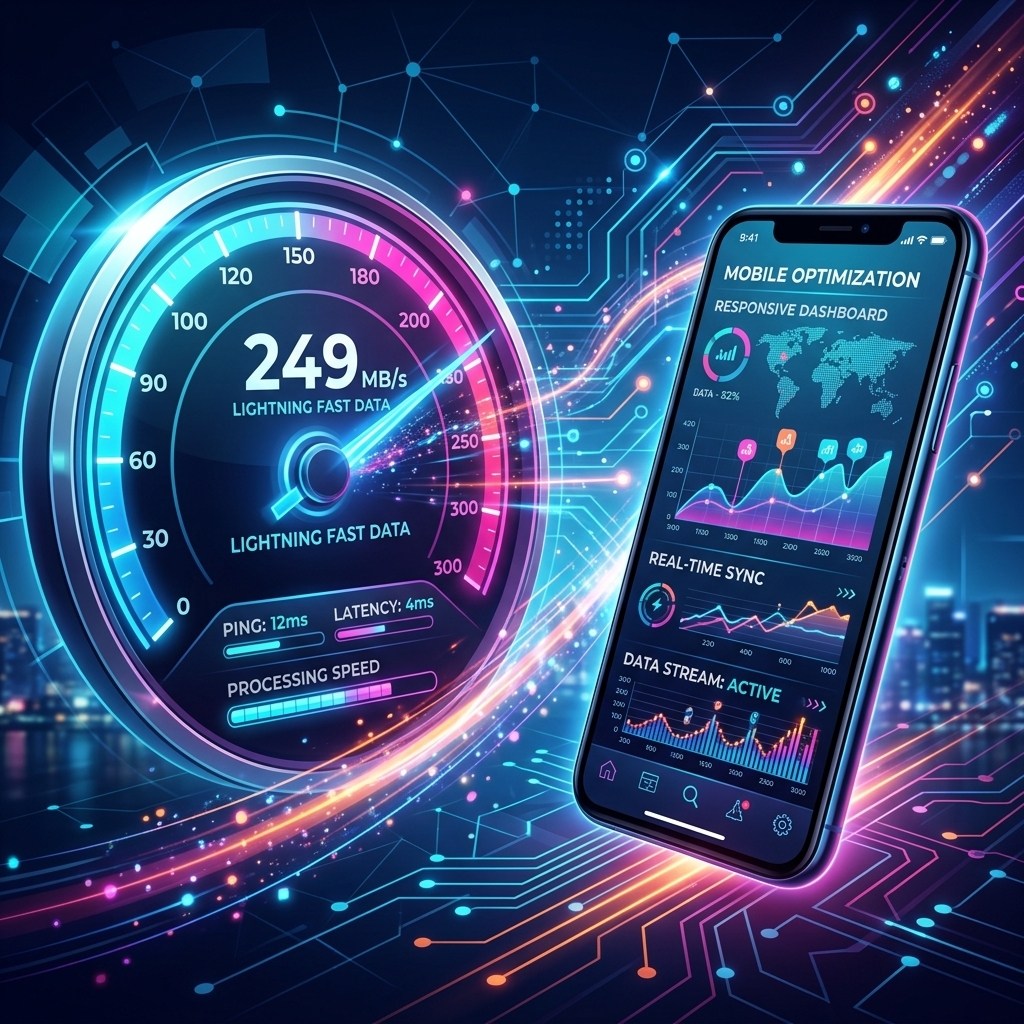
Technical optimization for Google Ads landing pages focuses on speed and mobile responsiveness, which are critical factors for both user experience and Google’s Quality Score assessment. Google prioritizes fast-loading, mobile-friendly pages. Metrics like Largest Contentful Paint (LCP) and Cumulative Layout Shift (CLS) are direct indicators of page experience. Pages loading within 2 seconds typically see a 15% higher conversion rate than those taking 5 seconds or more. Ensuring your landing page is fully responsive across all devices is non-negotiable; over 60% of Google Ads clicks originate from mobile.
Leveraging CDN, image compression, and efficient code are standard practices. Advertisers using a verified agency ad account from AdShift often find it easier to integrate advanced tracking and optimization tools without facing initial account restrictions, enabling faster iteration on technical improvements. This technical agility is particularly important when launching new campaigns or testing new landing page variations, where the ability to quickly deploy and measure changes is paramount.
Once the technical foundation is solid, continuously refining these pages through structured testing becomes the next strategic imperative.
A/B Testing Strategies for Continuous Improvement
A/B testing strategies provide continuous improvement for Google Ads landing page optimization by systematically comparing different versions of page elements to identify what resonates best with your audience. Effective A/B testing involves isolating variables such as headlines, CTA button text/color, image choices, form length, or even entire page layouts. Only test one major variable at a time to ensure clear attribution of results. Aim for statistical significance (typically 95%) before implementing changes.
I recommend dedicated testing platforms like Google Optimize (while it lasts, or alternatives) or VWO. A client recently achieved a 22% increase in demo requests by A/B testing their headline, finding that a direct, problem-solution headline outperformed a creative, brand-focused one. We consistently see that even small changes, like updating a CTA from “Submit” to “Get Your Free Quote,” can yield a 5-10% uplift in conversion rates.
The insights gained from A/B testing are most powerful when integrated with a holistic strategy that ensures your landing page seamlessly aligns with your ad copy and keyword targeting.

Aligning Ad Copy, Keywords, and Landing Page Messaging
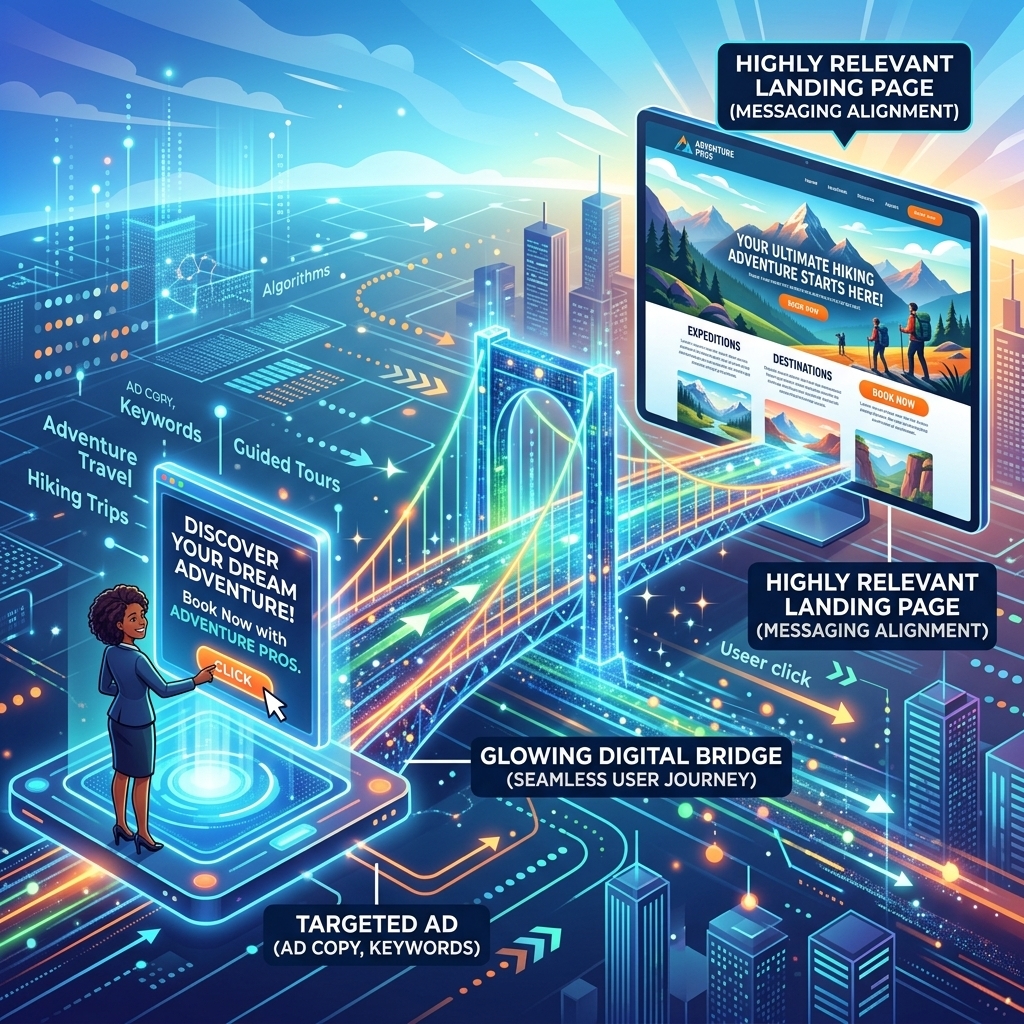
Aligning ad copy, keywords, and landing page messaging is crucial for Google Ads landing page optimization, creating a coherent user journey from search query to conversion. This concept, known as “message match,” ensures that a user clicking an ad for “blue widgets” lands on a page prominently featuring “blue widgets.” A strong message match reduces bounce rates by up to 20% and significantly improves user experience signals to Google. Your landing page headline should often mirror your ad’s headline or display URL. For a comprehensive understanding of how these elements fit into a broader strategy, refer to our Google Ads complete guide. This synergy reinforces relevance and builds trust, directly influencing conversion rates.
We once observed a campaign with a 45% bounce rate where the ad promised “discounted software” but the landing page focused on “enterprise solutions.” After adjusting the landing page to specifically address “discounted software,” the bounce rate dropped to 18%, and conversions increased by 3x. This demonstrates the profound impact of a consistent message.
With these core optimization principles in place, many advertisers still have common questions regarding implementation and best practices.
Frequently Asked Questions (FAQ)
How does landing page experience affect Google Ads performance?
Landing page experience directly impacts Google Ads Quality Score, which in turn affects your ad rank, cost-per-click (CPC), and ultimately, conversion rates. A poor landing page can lead to significantly higher CPCs and lower ad positions, while an optimized page can reduce costs by 30-50% and boost conversions.
What are the key elements of an effective Google Ads landing page?
An effective Google Ads landing page typically includes a clear, benefit-driven headline that matches the ad copy, concise and persuasive body copy highlighting unique selling propositions, strong trust signals (e.g., testimonials, reviews, security badges), a prominent and singular call-to-action (CTA), and a conversion-focused form with minimal fields.
How important is mobile responsiveness for Google Ads landing pages?
Mobile responsiveness is critically important. Over 60% of Google Ads clicks originate from mobile devices. A non-responsive landing page delivers a poor user experience, leading to higher bounce rates, lower engagement, and a negative impact on your Quality Score. This results in higher ad costs and fewer conversions.
How often should I optimize my Google Ads landing pages?
Landing page optimization should be an ongoing, continuous process, not a one-time fix. Regularly review performance data, conduct A/B tests on key elements (headlines, CTAs, forms), and update content to reflect current offers, seasonal promotions, or market changes. Aim for iterative improvements based on data.
Can an agency ad account help with landing page optimization?
Yes, an agency ad account can provide distinct advantages for landing page optimization. For instance, verified agency accounts like those offered by AdShift can bypass initial spending limits and lengthy verification delays, allowing advertisers to quickly test and iterate on new landing page variations and campaign structures without interruption, accelerating the optimization cycle.
Conclusion
Google Ads landing page optimization is a cornerstone of successful PPC campaigns, directly influencing Quality Score, CPC, and conversion rates. By focusing on critical elements like message match, technical performance, and continuous A/B testing, you can transform underperforming pages into high-converting assets. This systematic approach ensures every ad dollar works harder, driving better ROI for your business.
Ready to implement advanced Google Ads landing page optimization strategies without typical account hurdles? Rent a verified Google Ads agency account from AdShift and start scaling your campaigns today.