
Most small businesses abandon Google Ads within 3 months, often misallocating 30-50% of their initial budget due to a lack of strategic planning and optimization. This article focuses on how Google Ads for small businesses can deliver substantial ROI when approached with data-driven precision. We’ll explore crafting effective budgets, implementing precision targeting, optimizing ad copy, leveraging agency ad accounts, and mastering essential metrics for continuous growth.
Why Google Ads Remains Essential for Small Businesses (Despite Challenges)
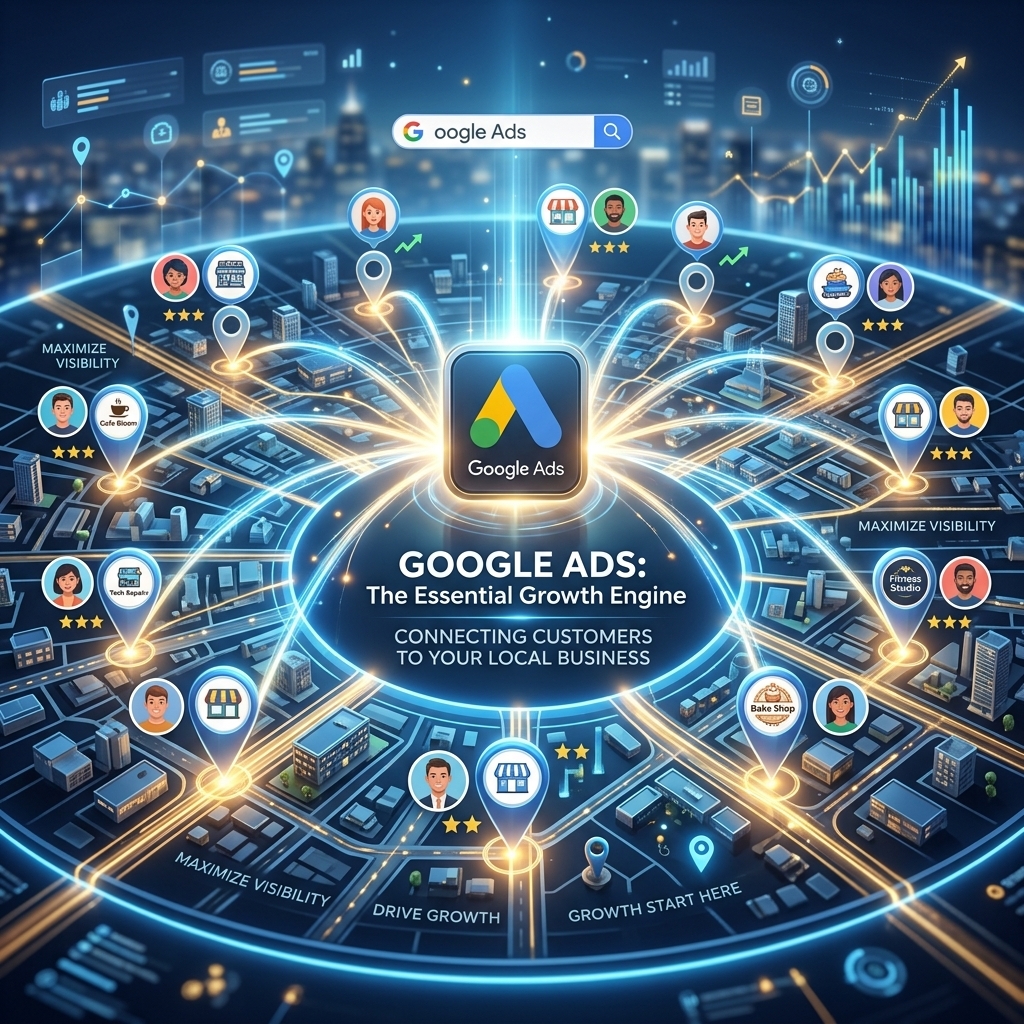
Google Ads remains essential for small businesses by providing immediate visibility and direct access to high-intent customers. This platform defines success by connecting businesses with users actively searching for their products or services, offering unparalleled precision in reaching qualified leads. I’ve seen local service campaigns achieve a 10x ROI within three months by targeting specific geographic areas and service-related keywords. While competition exists, strategic use of Google Ads allows even the smallest companies to compete effectively with larger brands. Understanding the value Google Ads provides, the next critical step is setting up campaigns with a well-defined budget for success.
Crafting a High-Impact Google Ads Budget for Small Companies
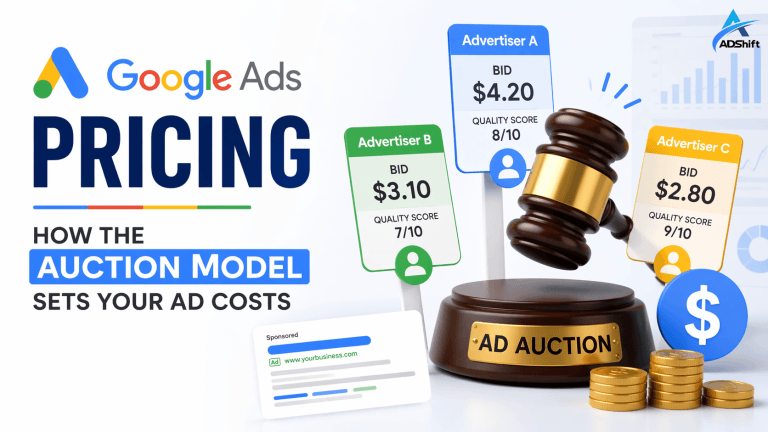
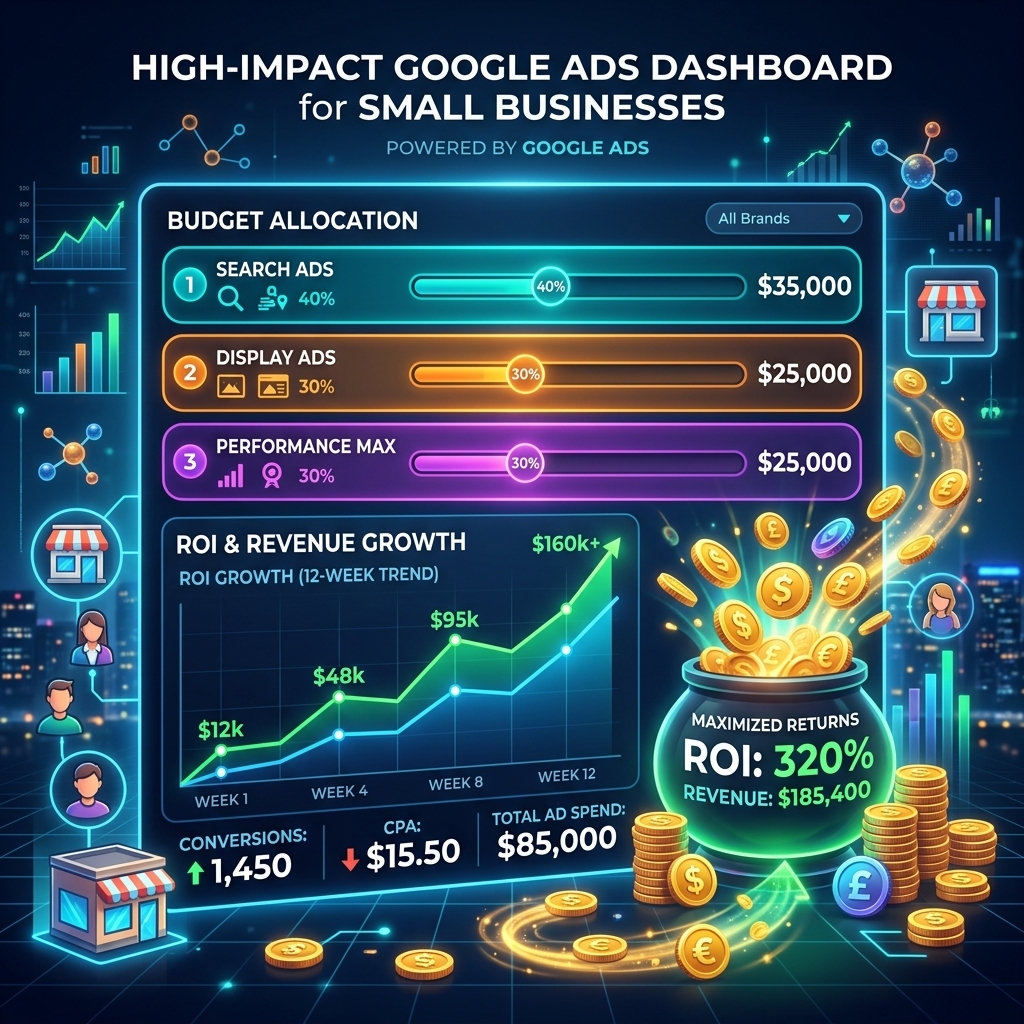
Crafting a high-impact Google Ads budget for small companies requires strategic allocation and continuous monitoring to maximize return. A Google Ads budget defines the maximum amount you’re willing to spend daily or monthly, directly impacting how often your ads appear and to how many people. Our campaigns typically start clients with a conservative $15-30/day, scaling up 20% weekly based on clear performance metrics like CPA and conversion volume. This incremental approach prevents overspending while gathering essential performance data. Advertisers using a verified agency ad account from AdShift often bypass initial spending limits, allowing for more flexible budget testing from day one and accelerating the data collection phase. With a budget defined, the next focus shifts to targeting the right audience with precision.
Precision Targeting: Reaching Your Ideal Customer with Small Business PPC
Precision targeting reaches your ideal customer with small business PPC by leveraging specific keywords, geographic locations, and audience segments. This process defines who sees your ads, ensuring your budget is spent on users most likely to convert, not just anyone browsing online. A client recently achieved a 1.8% conversion rate increase by narrowing their geo-target from state-wide to a 10-mile radius around their physical store, demonstrating the power of hyper-local focus. For a comprehensive overview of advanced strategies, refer to our Google Ads complete guide. Effective targeting must be paired with compelling ad copy that drives action.

Optimizing Ad Copy and Landing Pages for Small Business Conversion
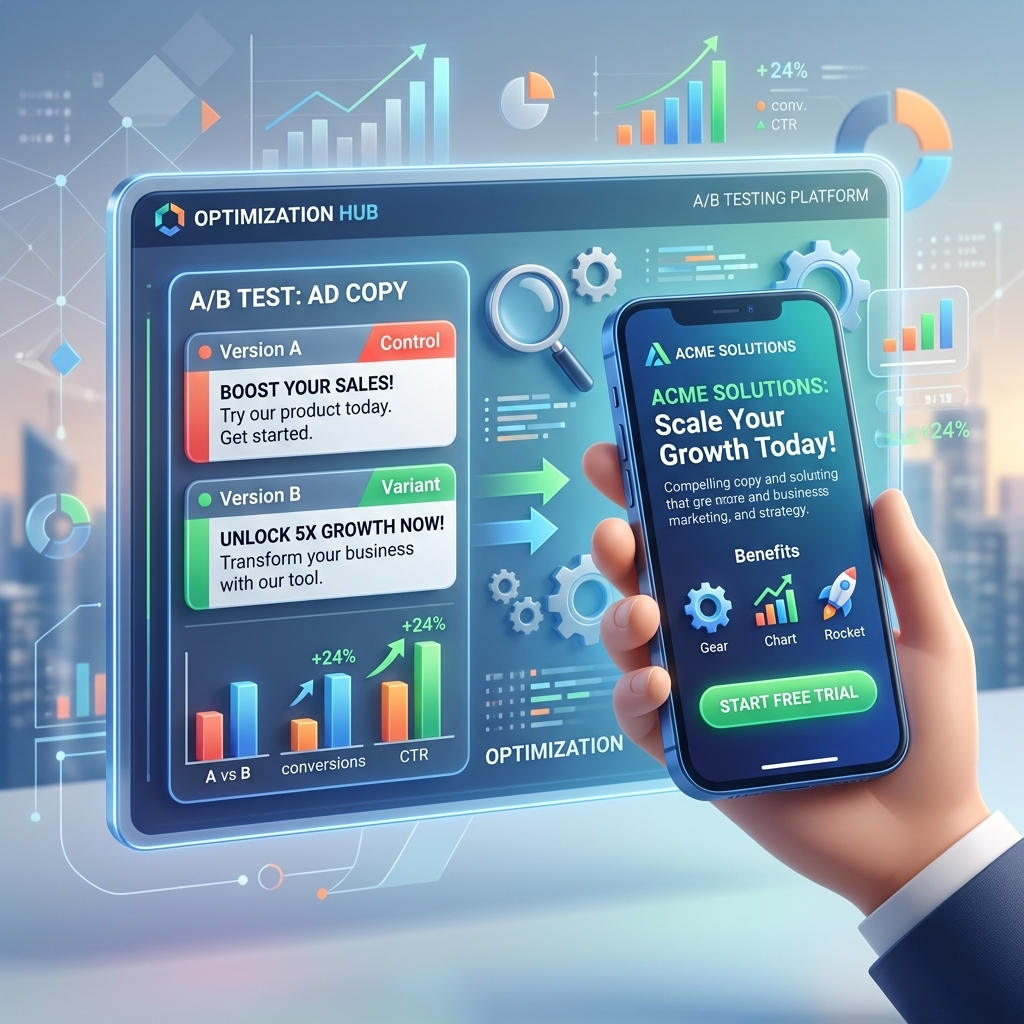
Optimizing ad copy and landing pages for small business conversion directly impacts your ad spend efficiency and overall campaign success. Ad copy optimization involves crafting compelling headlines and descriptions that resonate with your target audience, while landing page optimization ensures a seamless, relevant experience post-click. This alignment defines a high Quality Score, leading to lower CPCs and improved ad positions. I’ve seen A/B tests improve conversion rates by 25% simply by aligning ad copy headlines with landing page value propositions and ensuring mobile responsiveness. Even with perfect ads, campaign performance hinges on continuous monitoring and optimization.
Leveraging Agency Ad Accounts for Google Ads Small Businesses
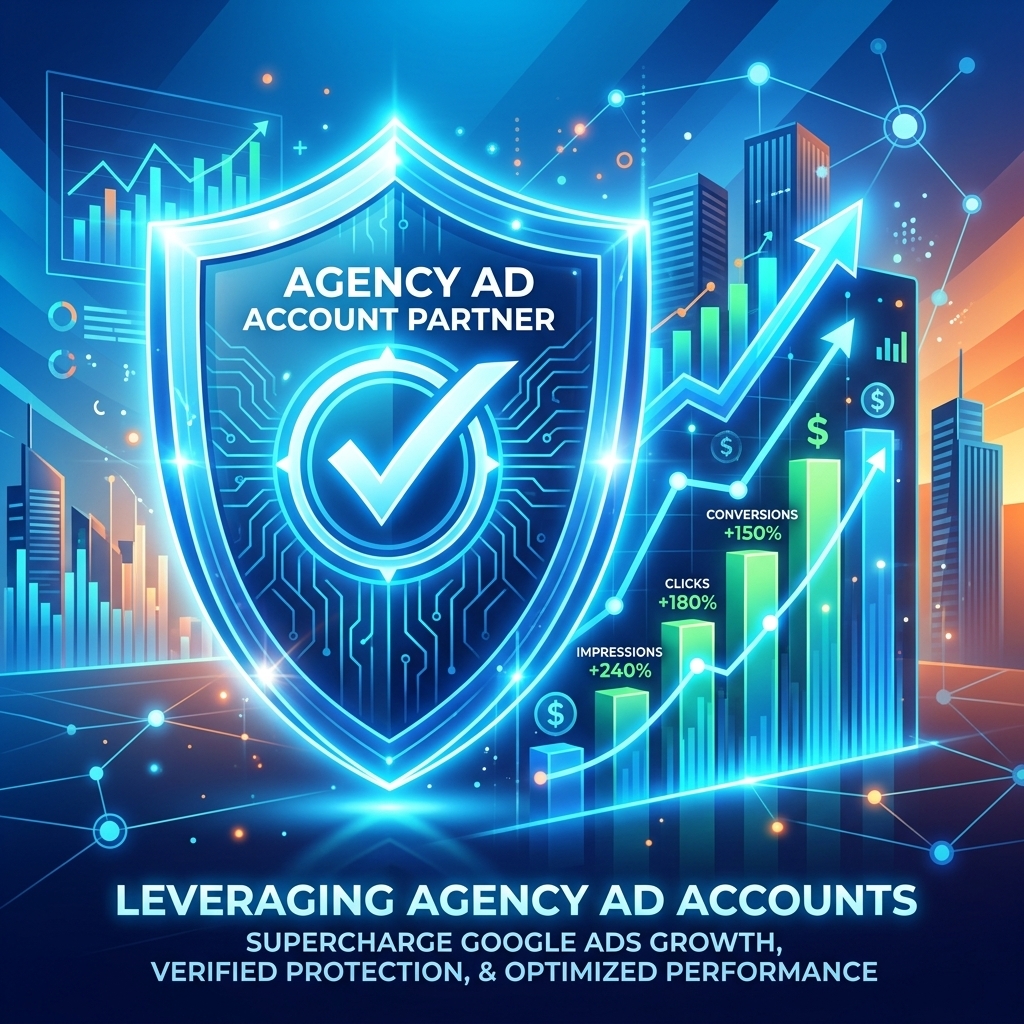
Leveraging agency ad accounts for Google Ads small businesses provides a crucial advantage in scaling and compliance, particularly for new or high-spend advertisers. An agency ad account is a pre-verified, established advertising account managed by a trusted agency, offering higher spending limits and reduced risk of suspensions compared to newly created personal accounts. This setup defines a smoother launch experience, allowing small businesses to focus on strategy rather than account stability issues. Agency accounts can reduce account suspension risks by up to 70% compared to new personal accounts, ensuring uninterrupted campaign flow. For immediate access to a stable advertising environment, consider to rent a verified agency ad account. While agency accounts offer a strong foundation, ongoing performance tracking is essential for sustained success.
Essential Metrics & Continuous Optimization for Small Business Google Ads
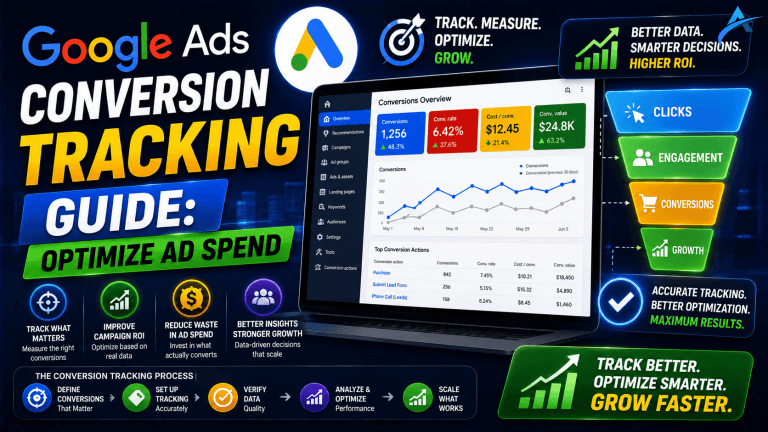
Essential metrics and continuous optimization for small business Google Ads ensure sustained campaign profitability and growth. Key metrics like Cost Per Acquisition (CPA), Return On Ad Spend (ROAS), and Click-Through Rate (CTR) define the health and efficiency of your campaigns, guiding all optimization efforts. Our campaigns show that daily budget adjustments based on CPA fluctuations can reduce costs by 15% over a month, preventing budget bleed on underperforming keywords or ad groups. Regularly reviewing search terms, adjusting bids, and refining ad copy based on these metrics are non-negotiable for small businesses aiming for long-term success. To get started with a robust campaign setup, rent a verified Google Ads account and implement these optimization strategies from day one.

How much should a small business budget for Google Ads?
A small business should budget for Google Ads based on their industry, competition, and desired lead volume. We recommend starting with a minimum of $15-30 per day ($450-$900/month) to gather sufficient data, then scaling up based on performance. This allows for effective A/B testing and optimization without excessive upfront risk.
How long does it take for Google Ads to work for a small business?
Google Ads can show results almost immediately, with impressions and clicks starting within hours of launch. Meaningful conversion data and optimal performance typically require 2-4 weeks. This period allows the algorithm to learn, and for advertisers to gather enough data for initial optimizations.
Can I run Google Ads myself as a small business owner?
Yes, a small business owner can run Google Ads independently, especially with access to online resources and Google’s own support. It requires a significant time commitment to learn best practices, monitor performance, and optimize campaigns effectively. Many small businesses find greater success by outsourcing to experts or leveraging tools that simplify management.
What are the biggest mistakes small businesses make with Google Ads?
Common mistakes include: not setting clear conversion goals, targeting overly broad keywords, failing to use negative keywords, sending traffic to generic homepages instead of optimized landing pages, neglecting mobile optimization, and not continuously monitoring and optimizing campaigns based on performance data.
What is a good ROI for Google Ads for a small business?
A “good” ROI for Google Ads varies by industry and business model, but generally, a 2:1 to 4:1 ROAS (Return On Ad Spend) is considered healthy for small businesses. This means for every $1 spent on ads, you generate $2-$4 in revenue. Some high-margin businesses can achieve much higher, while others might accept lower for brand building.
Mastering Google Ads for small businesses isn’t about spending the most; it’s about spending smart. By implementing strategic budgeting, precise targeting, compelling ad copy, and continuous optimization, small companies can achieve significant ROI. Leveraging solutions like agency ad accounts further streamlines the process, providing stability and scale from day one. Ready to transform your online presence and drive tangible results? Rent a verified Google Ads agency account from AdShift and skip the spending limits and verification delays.