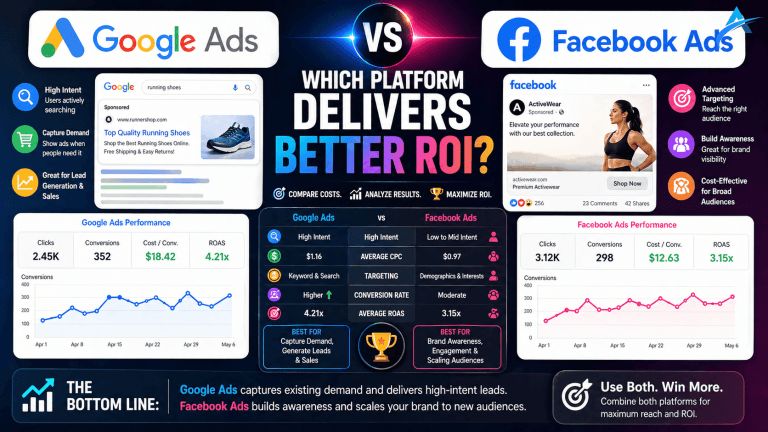
Bing Ads captures desktop search intent from an older, higher-income demographic at 30-40% lower CPCs than Google. Facebook Ads reaches 3 billion users through interest-based social targeting. These platforms are not competitors — they serve different stages of the buying journey, and advertisers using both get full-funnel coverage that neither delivers alone.
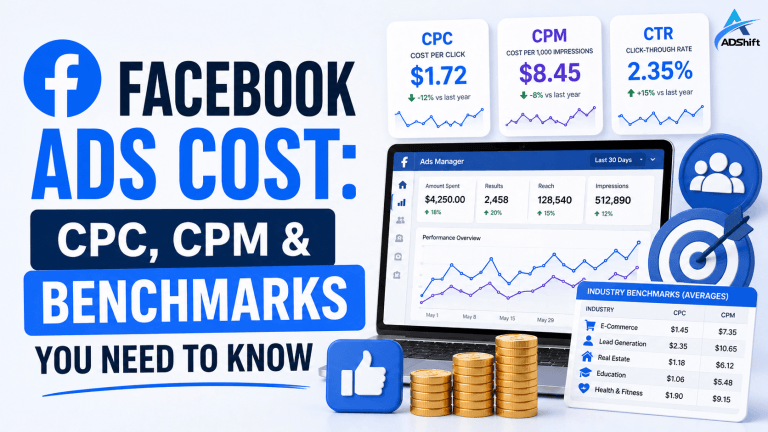
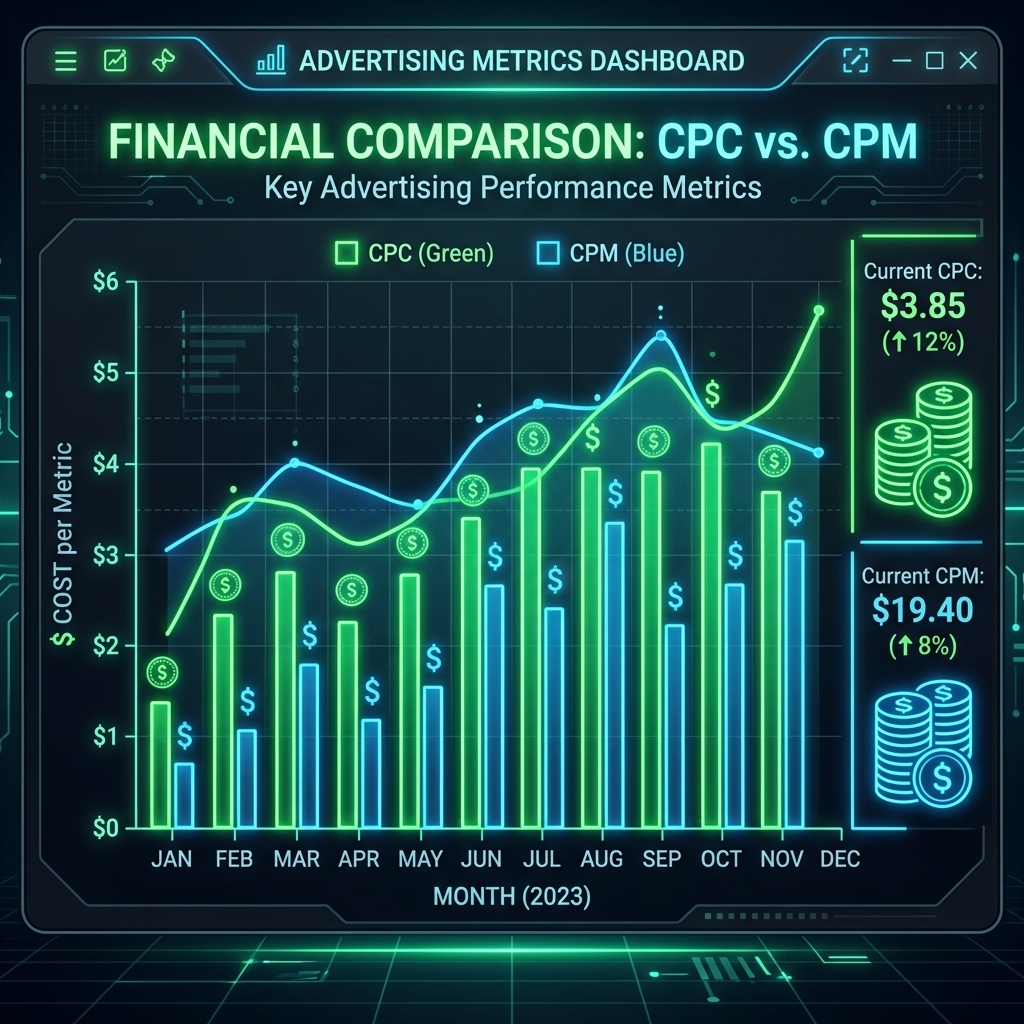
Bing CPC averages $1-$3. Facebook CPC ranges from $0.50-$3.00. The cost is comparable, but the traffic quality and user mindset behind each click are fundamentally different.
Bing Ads vs Facebook Ads Comparison
| Metric | Bing Ads (Microsoft Advertising) | Facebook Ads |
|---|---|---|
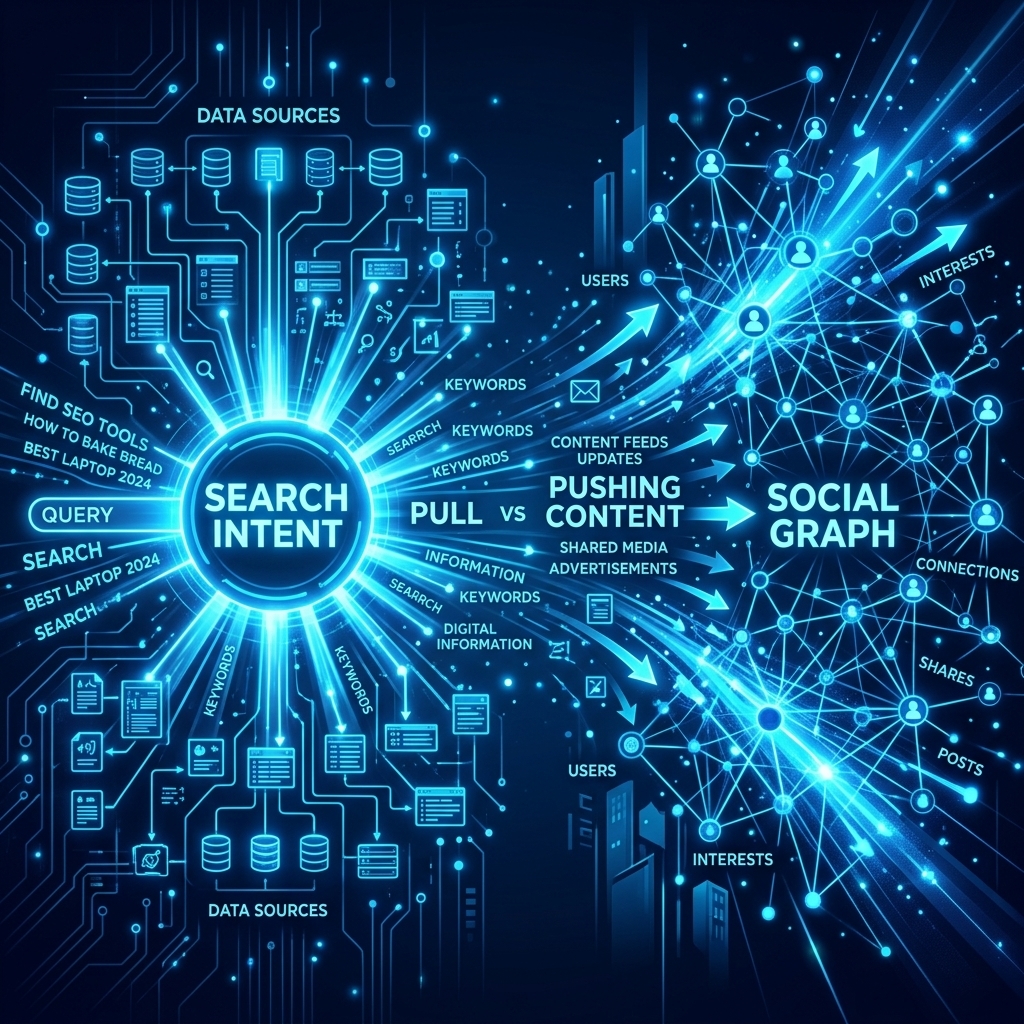
| Marketing Model | Search intent (pull) | Social discovery (push) |
| User Mindset | Actively searching | Passively browsing |
| Average CPC | $1-$3 (30-40% below Google) | $0.50-$3.00 |
| Device Skew | Desktop-heavy | Mobile-heavy |
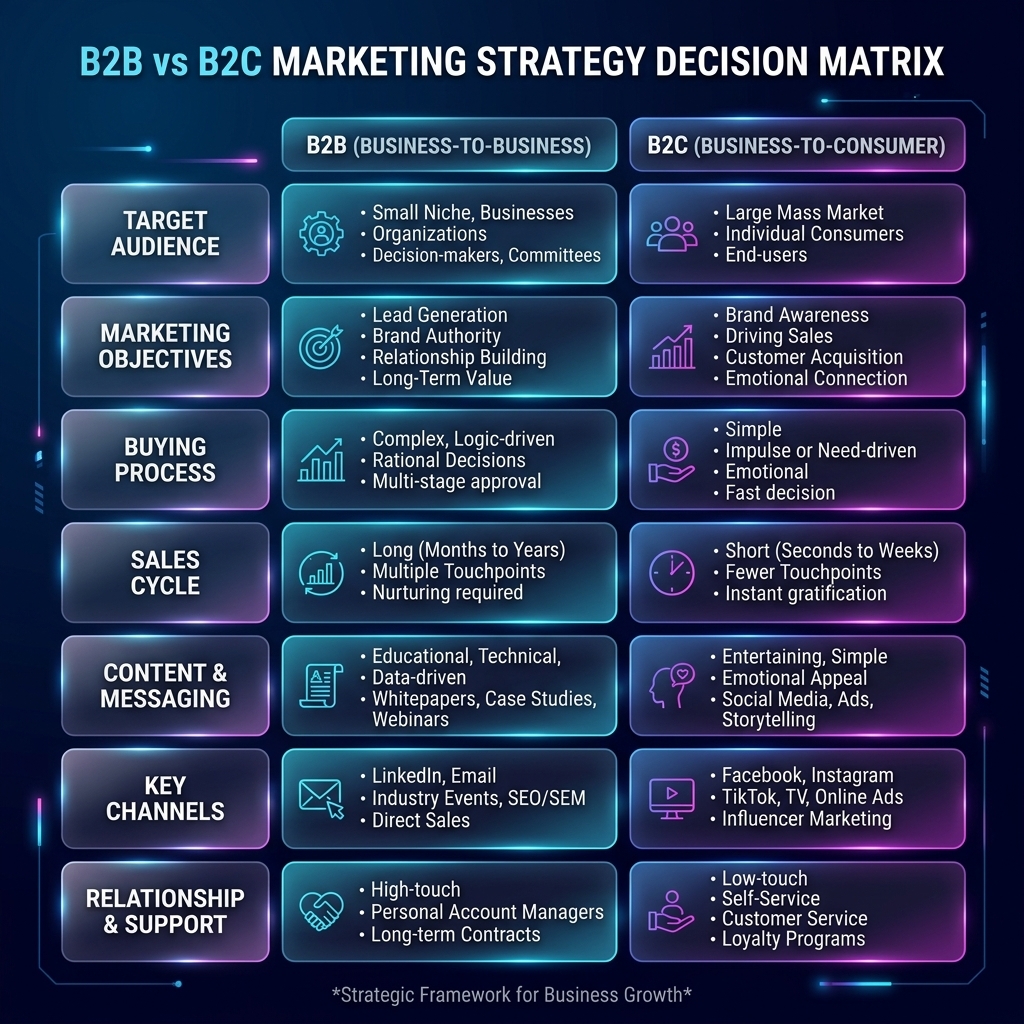
| Demographics | 35-65, higher income, B2B-leaning | All ages, B2C-dominant |
| Targeting | Keywords + LinkedIn profile data | Interests, behaviors, lookalikes, custom audiences |
| Ad Formats | Search, Shopping, Audience Ads | Image, Video, Carousel, Stories, Reels, Collection |
| Reach | ~33% US desktop search, 1B+ monthly searches | 3B+ monthly active users |
| Competition | Low (fewer advertisers) | High (saturated) |
| Unique Feature | LinkedIn profile targeting | Lookalike audiences |
How Each Platform Works
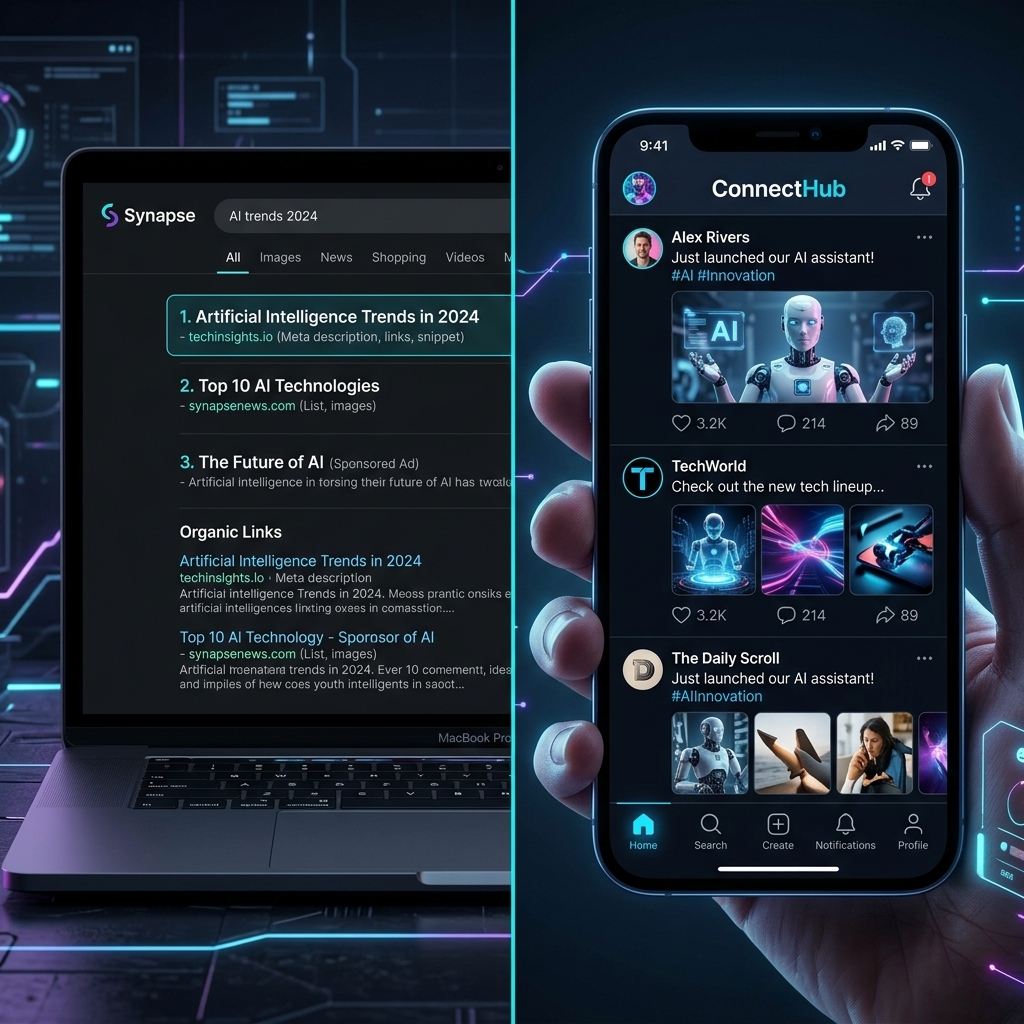
Bing Ads operates on the same model as Google Ads — keyword-based search advertising. A user types a query, your ad appears alongside results, and you pay when they click. The difference is the audience. Bing’s search share is ~33% of US desktop searches, powered by Microsoft Edge defaults on Windows devices and partnerships with Yahoo and DuckDuckGo.
Facebook Ads operates on interruption-based social targeting. Your ad appears in a user’s feed based on their interests, behaviors, and demographic profile — not because they searched for your product. The user was checking friends’ updates or watching videos. Your ad interrupts that activity.
Both platforms benefit from account maturity. Bing campaigns imported from Google Ads through a verified agency ad account retain performance data and Quality Score signals. Facebook campaigns running through established accounts with historical pixel data optimize faster than new self-serve accounts.
Cost Comparison
Bing’s CPC advantage comes from lower competition. Fewer advertisers bid on Bing keywords compared to Google, pushing auction prices down 30-40%. A keyword costing $5 on Google might cost $3 on Bing for comparable search intent.
Facebook CPC ranges from $0.50-$3.00 depending on industry, targeting precision, and competition. CPMs average $7-$12. Facebook’s auction is heavily saturated — millions of advertisers compete for the same audience segments, which inflates costs in competitive verticals.
For B2B advertisers specifically, Bing often delivers cheaper qualified leads. The combination of lower CPCs, desktop-heavy traffic, and professional demographics produces strong performance for service businesses, SaaS, and professional services.
Facebook’s cost efficiency shines at scale. Reaching 100,000 people with brand messaging costs significantly less on Facebook than through search advertising on any platform. For awareness campaigns, Facebook’s CPM model is hard to beat.
Audience and Targeting
Bing’s audience skews older (35-65), higher income, and desktop-oriented. These users tend to be professionals who use Microsoft products at work — Edge is the default browser on corporate Windows machines. This audience profile is gold for B2B advertisers and premium consumer brands.
Bing’s LinkedIn integration is a unique targeting advantage. You can target ads based on company, industry, and job function — data pulled directly from LinkedIn profiles. No other search platform offers this. An agency ad account on Microsoft Advertising unlocks the full LinkedIn targeting suite.
Facebook targets by interest, behavior, demographics, custom audiences (email lists, pixel data), and lookalike audiences. The depth of behavioral data across Facebook, Instagram, and the Meta Audience Network is unmatched for B2C targeting.
Facebook’s lookalike audience feature is its most powerful tool. Upload a list of your best customers, and Meta finds users who statistically resemble them. This works for both prospecting and scaling — something Bing’s keyword-based model cannot replicate.

When to Use Bing Ads
Bing Ads deliver the strongest results when:
- Your audience is B2B. LinkedIn targeting plus desktop search intent captures professionals during work hours.
- You already run Google Ads. Microsoft Advertising lets you import Google campaigns directly. Same keywords, same ads, lower CPCs.
- You want cheaper search intent traffic. The 30-40% CPC discount versus Google applies across most verticals.
- Desktop matters. Bing dominates desktop search. If your product or service converts better on desktop (complex purchases, B2B, SaaS), Bing traffic quality is high.
- Competition is your problem. Saturated Google verticals often have lower competition on Bing, making it easier to win top positions.
Setting up Bing campaigns through an agency ad account provides the account trust and history needed for stable delivery from launch day.
When to Use Facebook Ads
Facebook Ads deliver the strongest results when:
- Brand awareness is the objective. Facebook’s CPM-based reach campaigns put your brand in front of massive audiences at low cost.
- You sell visual or impulse-driven products. Ecommerce, fashion, beauty, food, and lifestyle brands thrive on Facebook’s visual ad formats.
- Retargeting is a priority. Facebook’s pixel and custom audience infrastructure makes retargeting website visitors and past customers highly effective.
- You need audience scale. 3 billion monthly active users across Meta’s network is unmatched reach.
- Lookalike audiences fit your strategy. If you have strong first-party customer data, lookalikes are Facebook’s most efficient prospecting tool.
Running Facebook through a Meta agency ad account gives you higher daily spend limits, dedicated support channels, and account stability that self-serve accounts lack.
FAQ
Can I run the same ads on Bing and Facebook?
No. Bing is text-based search advertising. Facebook is visual and social. The ad formats, targeting models, and user intent are completely different. You can still promote the same landing pages through both platforms.
Is Bing Ads worth it with only 33% desktop search share?
Yes. Lower competition means cheaper clicks for the same keywords. The B2B demographic profile produces qualified leads at strong conversion rates. Most advertisers report positive ROAS on Bing even with lower volume.
Which platform is better for local businesses?
Both work. Bing captures local search intent (“plumber near me”). Facebook drives local awareness through geographic targeting. A local business benefits from running both — Bing for people actively searching, Facebook for building awareness in the service area.
Do I need a large budget for Bing Ads?
No. Bing’s lower competition means you can start with $20-$30/day and get meaningful data. The minimum daily budget is lower than most platforms. Importing an existing Google campaign to Bing is the fastest way to launch.
Should I use Bing instead of Google?
Use Bing alongside Google, not instead of it. Import your Google campaigns to Bing for incremental reach at lower CPCs. Bing extends your search advertising coverage without replacing your primary Google Ads investment.
Rent verified agency ad accounts for Bing and Meta to scale search and social campaigns simultaneously. Contact ADShift to get started.