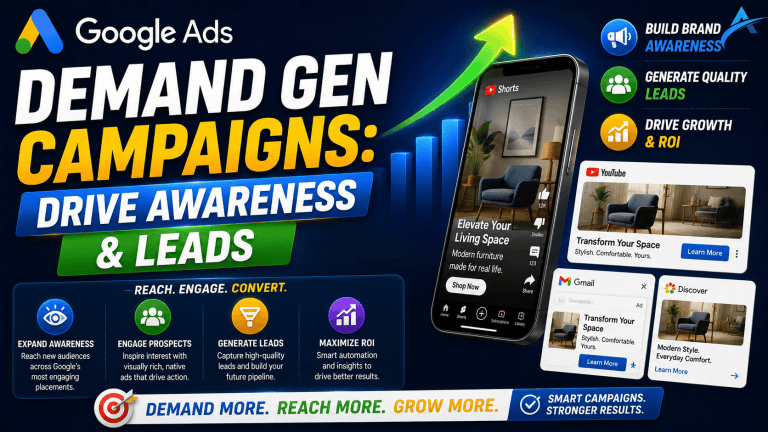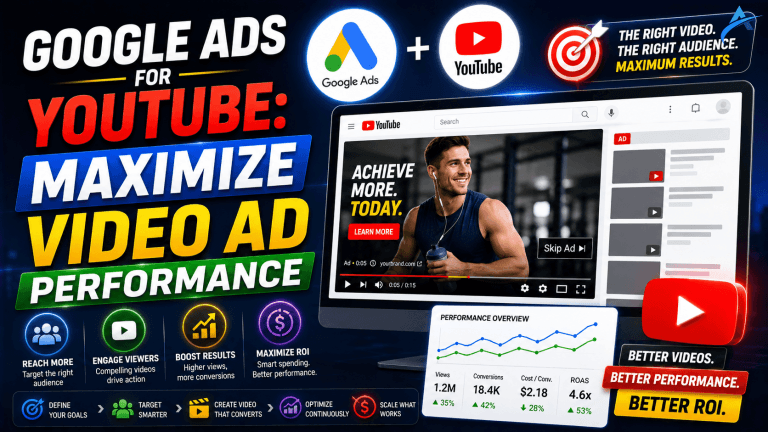
Most advertisers waste 30% of their initial Google Ads budget because they launch campaigns without a clear understanding of the diverse Google Ads campaign types available. This leads to misaligned objectives and suboptimal performance. Understanding the distinct types of Google Ads is fundamental to building an effective strategy that drives tangible results. This guide will break down each major Google Ads campaign type, detailing their unique formats, targeting capabilities, and ideal use cases, ultimately helping you choose the right Google Ads objectives for your business.
Understanding Core Google Ads Campaign Types
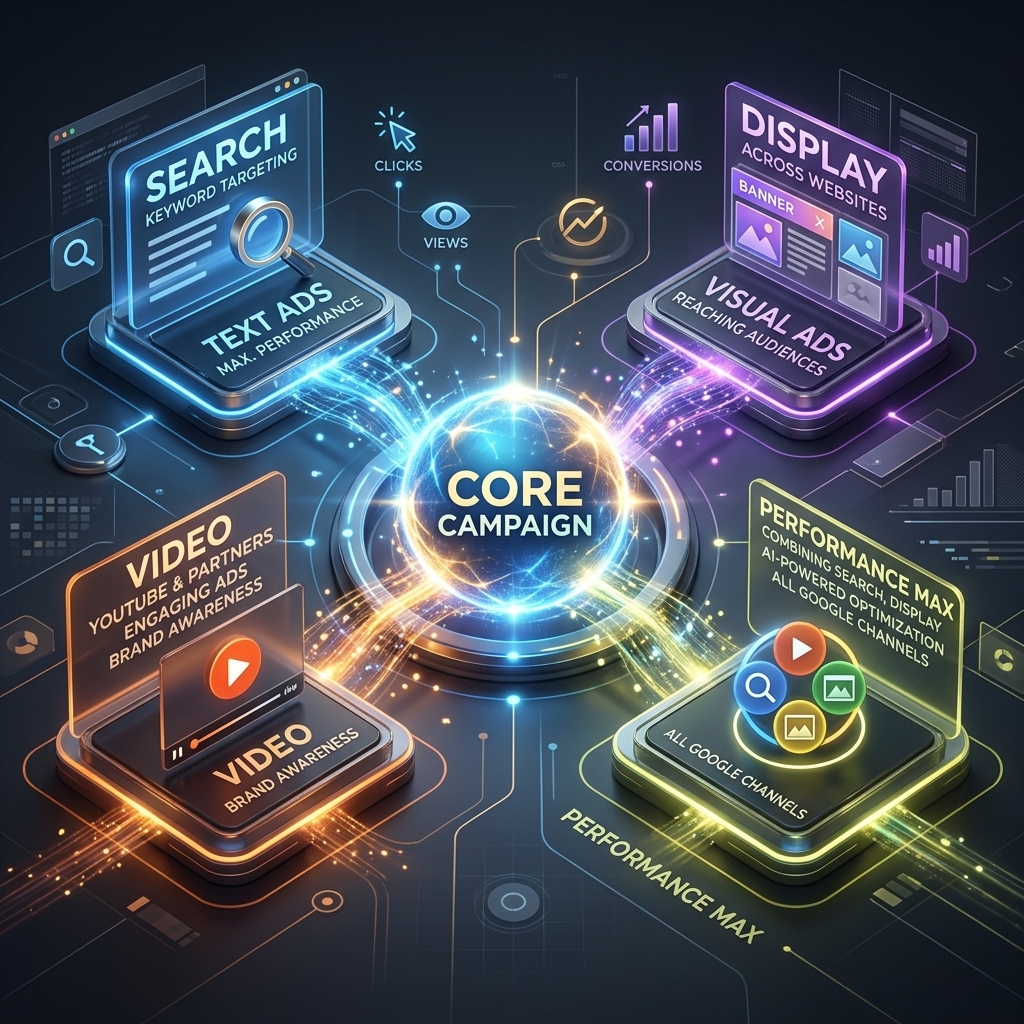
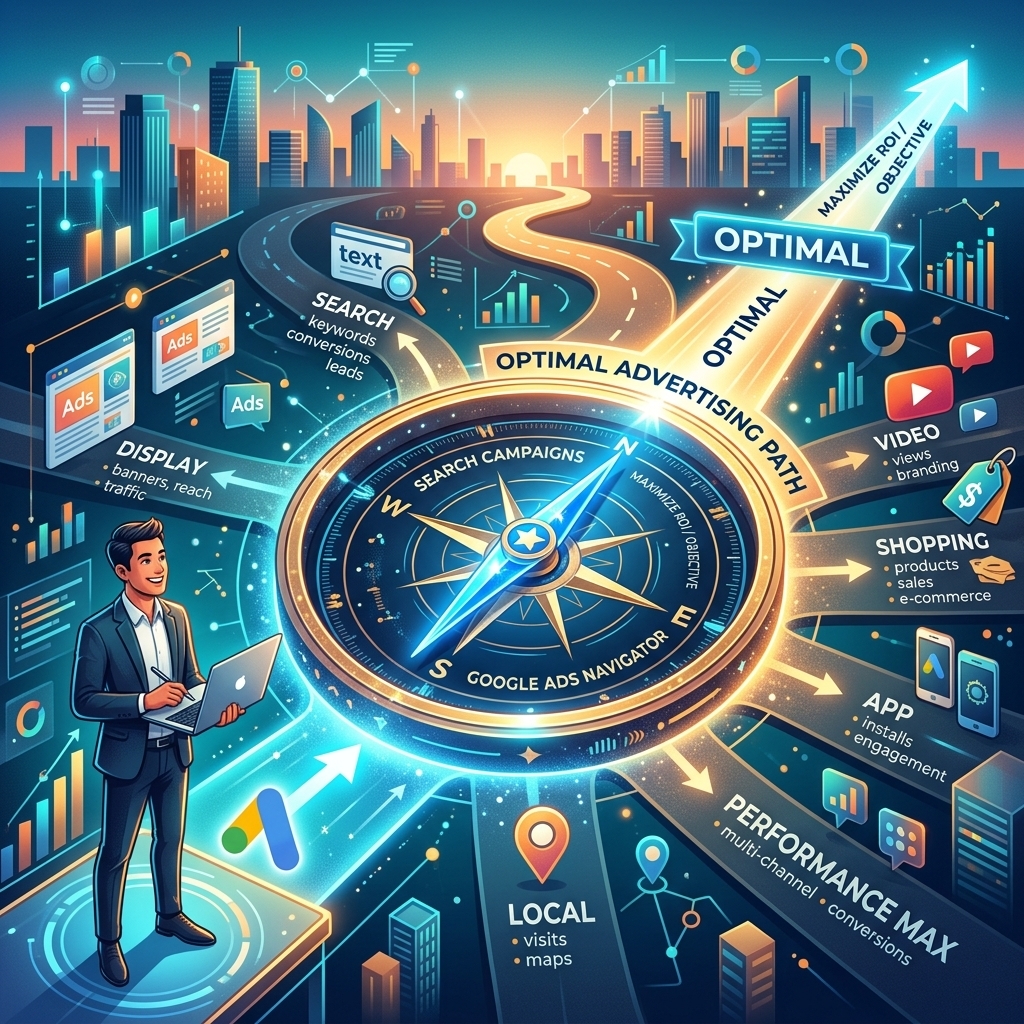
Google Ads campaign types define the primary method and channels through which your advertisements will reach potential customers, influencing everything from ad format to targeting options. These distinct campaign types enable advertisers to tailor their strategy to specific marketing goals, whether it’s driving sales, generating leads, or increasing brand awareness. Selecting the appropriate campaign type ensures your ads appear in the most relevant places to your target audience, maximizing your return on ad spend.
With a foundational understanding of campaign categories, the next step involves diving into the specific mechanics of Google Search campaigns.
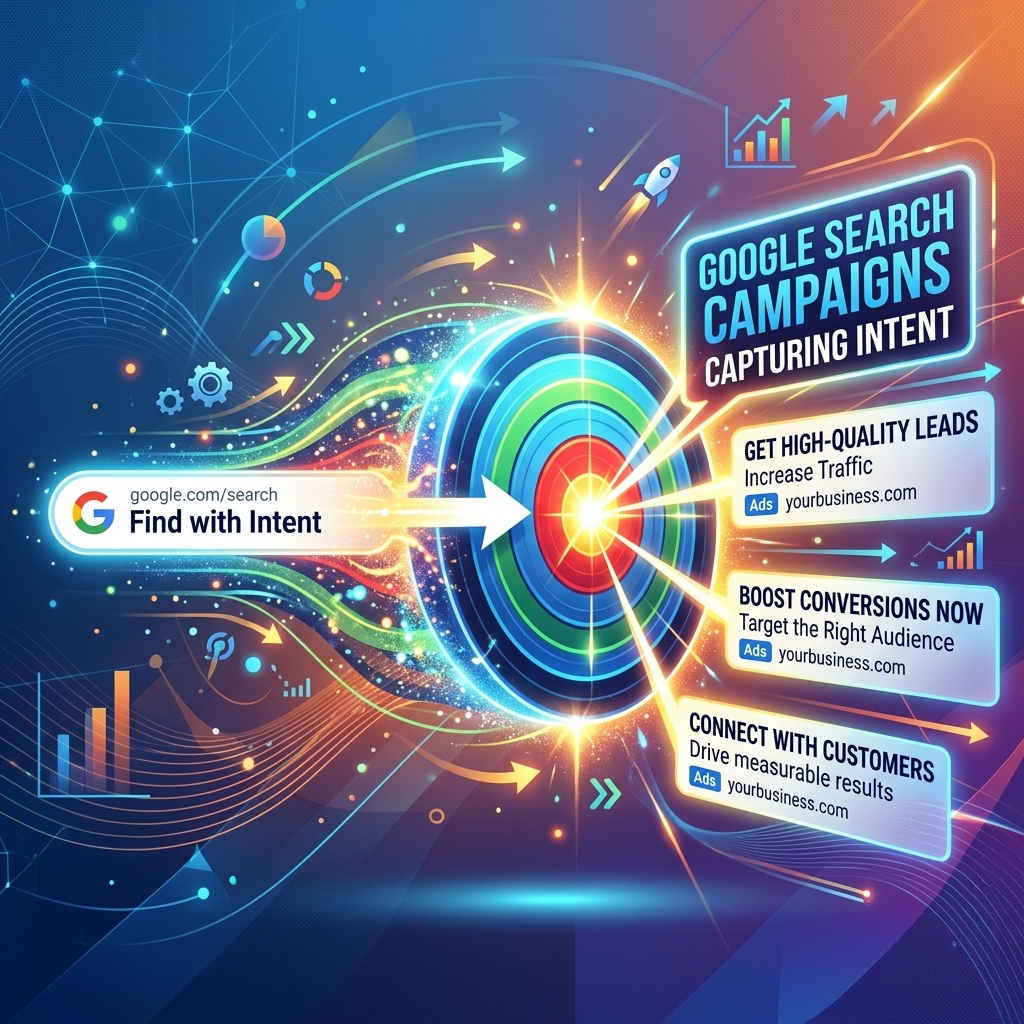
Google Search Campaigns: Capturing Intent with Text Ads
Google Search campaigns capture intent by displaying text ads directly on Google’s search results pages and other search partner sites when users actively search for specific keywords. These campaigns are highly effective for reaching high-intent customers precisely at the moment they are looking for products or services like yours. I’ve seen clients achieve impressive results, with a recent e-commerce client generating a 7x ROAS from a well-optimized Search campaign that targeted long-tail keywords, resulting in an average CPC of $1.87 and a conversion rate of 8.5%.
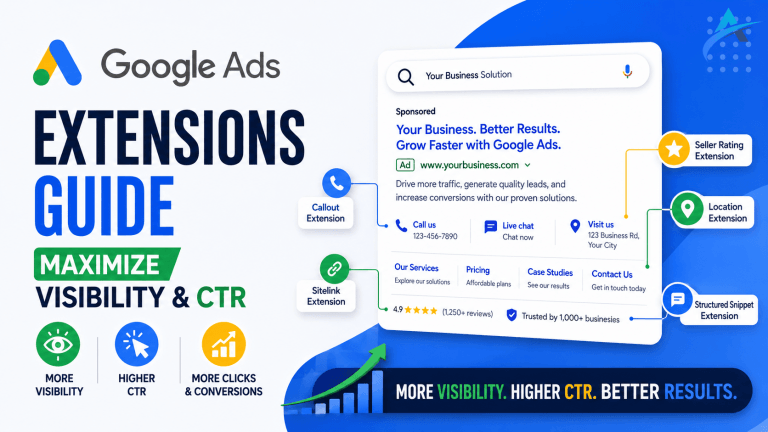
Search campaigns primarily use text ads, which consist of headlines, descriptions, and display URLs. Advertisers bid on keywords, and when a user’s search query matches those keywords, their ad becomes eligible to appear. Key components include:
- Keywords: The terms users type into Google. Effective keyword research is crucial for targeting the right audience.
- Ad Groups: Collections of closely related keywords and ads, ensuring ad relevance to the search query.
- Ad Copy: Compelling headlines and descriptions that entice users to click. Utilizing Responsive Search Ads allows Google to automatically test combinations of headlines and descriptions to find the best performing variations.
- Bidding Strategies: Options like Maximize Conversions, Target CPA, or Enhanced CPC help optimize for specific outcomes.
Advertisers leveraging a verified Google Ads agency account from AdShift often find it easier to scale Search campaigns quickly, bypassing initial spending caps and benefiting from established account history for potentially better ad rank.
Understanding how to capture immediate demand with Search campaigns sets the stage for exploring how to build broader awareness with Google Display campaigns.
Google Display Campaigns: Building Awareness with Visuals
Google Display campaigns build awareness through visual ads (images, HTML5, or responsive display ads) that appear on a vast network of websites, apps, and YouTube properties across the Google Display Network (GDN). These campaigns are excellent for nurturing leads, remarketing to past website visitors, and expanding brand reach to audiences who might not yet be actively searching for your product. Our campaigns show that Display campaigns, while often having a higher Cost Per Acquisition (CPA) than Search, can drive significant brand lift and support demand generation, with remarketing campaigns often achieving a 0.75% click-through rate and a 20% lower CPA compared to prospecting Display campaigns.
Display campaigns offer robust targeting options, allowing advertisers to reach specific demographics, interests, and behaviors. Key targeting methods include:
- Audience Targeting: Reaching users based on their interests, demographics, life events, or past interactions with your business (remarketing).
- Contextual Targeting: Placing ads on websites and apps with content relevant to your keywords or topics.
- Placement Targeting: Manually selecting specific websites or apps where you want your ads to appear.
- Ad Formats: Responsive Display Ads automatically adjust their size, appearance, and format to fit available ad spaces, making them highly versatile.
By strategically utilizing visual storytelling through Display campaigns, you can effectively engage audiences, which naturally leads to considering how to directly showcase products with Google Shopping campaigns.

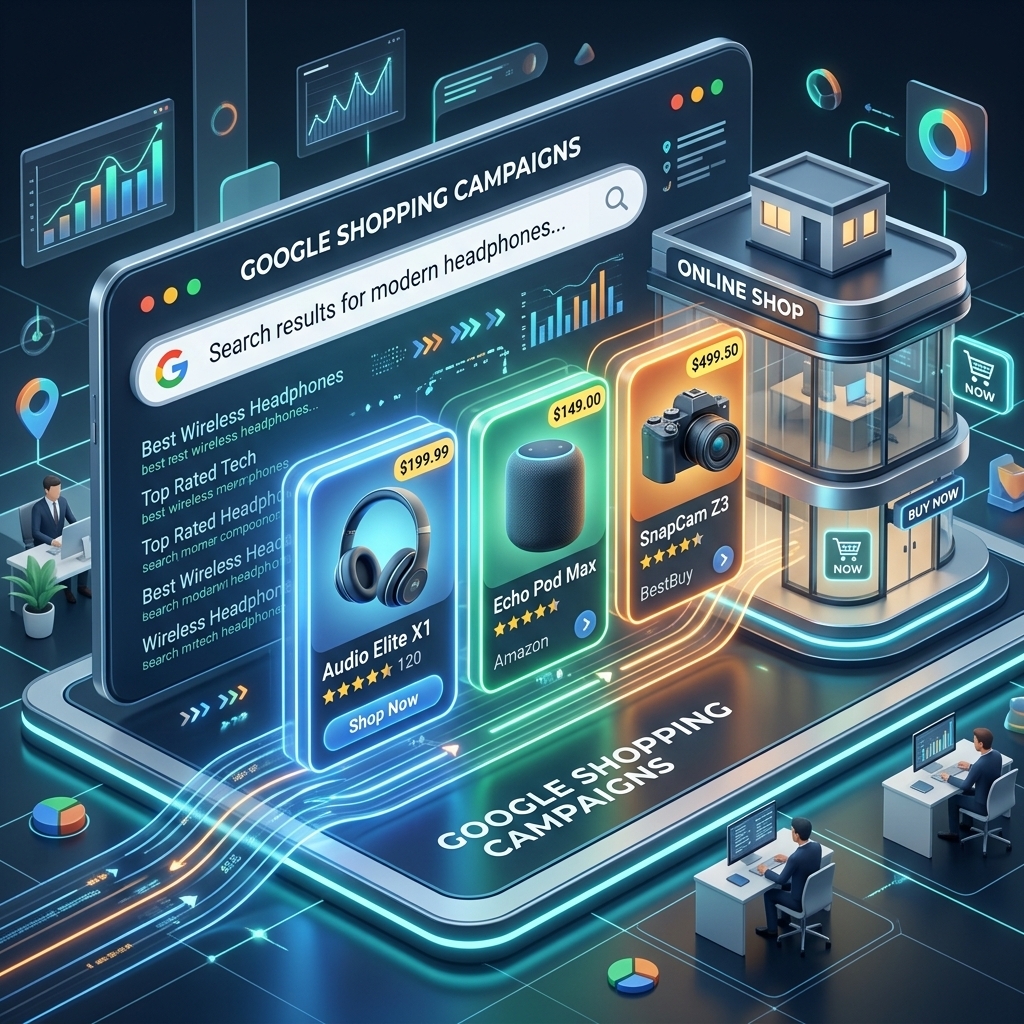
Google Shopping Campaigns: Showcasing Products Directly
Google Shopping campaigns showcase products directly from a product feed in a visually rich format, appearing at the top of Google search results, on the Shopping tab, and across the Display Network. These campaigns are indispensable for e-commerce businesses, as they allow potential customers to see product images, prices, and merchant names before even clicking an ad. A client recently achieved a 12x ROAS on their Shopping campaigns after optimizing their product feed quality and implementing smart bidding strategies, demonstrating the direct revenue potential.
Shopping campaigns rely heavily on a well-structured product feed submitted through Google Merchant Center. This feed contains crucial information about each product, such as title, description, price, image, and availability. Unlike Search campaigns that use keywords, Shopping campaigns match products to user queries based on the data in the product feed. Key elements include:
- Google Merchant Center: The platform where product feeds are uploaded and managed, ensuring product data meets Google’s specifications.
- Product Feed Optimization: Enhancing product titles, descriptions, and images to improve visibility and click-through rates.
- Product Listing Ads (PLAs): The visual ads that appear, featuring product images, prices, and store names.
- Smart Shopping Campaigns: An automated campaign type that leverages machine learning to optimize bids and ad placements across Google’s networks for maximum conversion value.
After successfully showcasing products, the next step involves engaging audiences with dynamic content through Google Video campaigns.
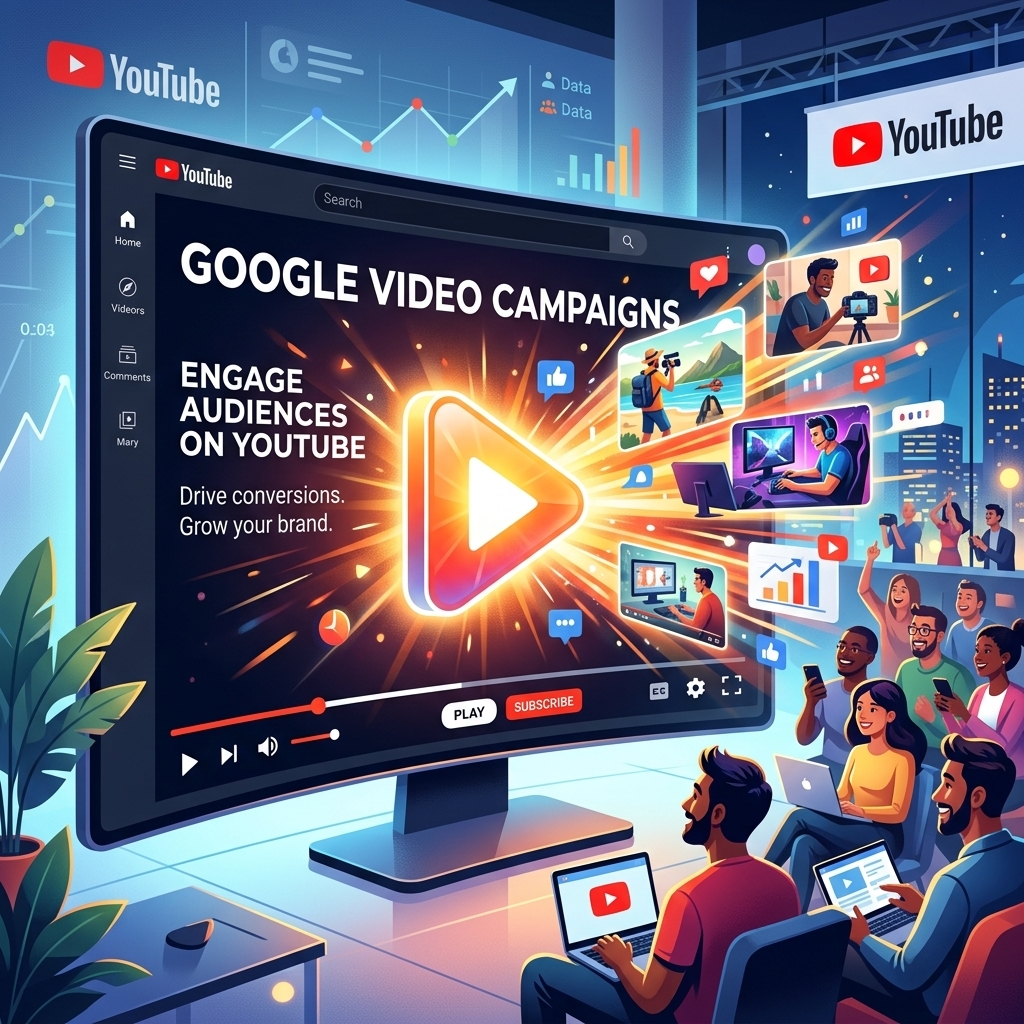
Google Video Campaigns: Engaging Audiences on YouTube
Google Video campaigns engage audiences on YouTube and across Google’s network of video partner sites, offering a powerful way to tell your brand’s story, build awareness, and drive conversions through visually compelling content. Video ads are particularly effective for capturing attention and conveying complex messages in a short timeframe. I’ve seen video campaigns deliver excellent brand recall metrics, with TrueView In-Stream ads achieving an average view-through rate of 25% for clients focused on initial brand exposure.
Video campaigns offer various ad formats tailored for different objectives and placements on YouTube:
- Skippable In-Stream Ads: Play before, during, or after other videos on YouTube and partner sites. Viewers can skip after 5 seconds. You pay if viewers watch 30 seconds (or the full video if shorter) or interact with the ad.
- Non-Skippable In-Stream Ads: Play before, during, or after other videos, up to 15 seconds long, and cannot be skipped. Ideal for strong brand messaging.
- Bumper Ads: Short, non-skippable video ads up to 6 seconds long, designed for maximum reach and brand awareness.
- In-Feed Video Ads (formerly TrueView Discovery Ads): Appear in YouTube search results, next to related videos, or on the YouTube mobile homepage. Users click on the thumbnail to watch the video.
- Outstream Ads: Mobile-only video ads that appear on partner websites and apps outside of YouTube, designed to increase reach beyond YouTube.
Effectively engaging audiences with video content naturally leads to considering how to drive specific actions like app installs and engagement with Google App campaigns.
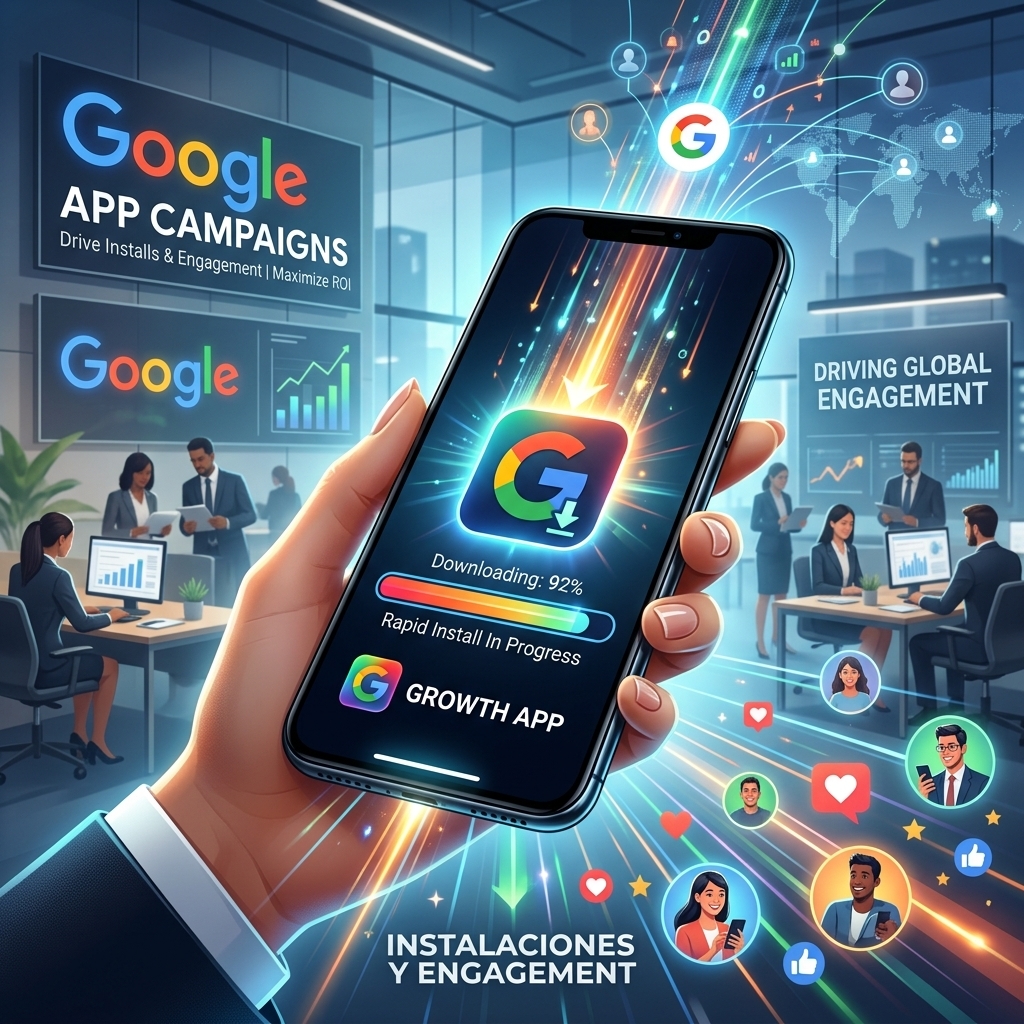
Google App Campaigns: Driving App Installs and Engagement
Google App campaigns drive app installs and engagement by promoting your mobile application across Google’s largest properties, including Search, Google Play, YouTube, and the Google Display Network. These campaigns are uniquely designed for app developers and marketers, leveraging machine learning to automatically optimize bids and ad creatives to achieve specific app-related goals, such as increasing installs or in-app actions. Our campaigns show that App campaigns can lower cost-per-install by up to 15% when optimized with clear in-app conversion tracking.
App campaigns simplify the advertising process by requiring minimal setup from the advertiser. You provide text ideas, a starting bid, a budget, and assets like videos and images, and Google’s AI does the rest. Key features include:
- Automated Optimization: Google’s system automatically creates ads and optimizes bids to find the most valuable users for your app across all eligible placements.
- Broad Reach: Ads run across Google Search, Google Play, YouTube, the Display Network, and Discover, maximizing visibility.
- Goal-Oriented: Campaigns can be optimized for app installs, in-app actions (e.g., registrations, purchases), or maximizing new users.
- Creative Assets: You provide a variety of text, image, and video assets, and Google intelligently combines them to create effective ads.
Driving app installs and engagement efficiently sets the stage for exploring a unified, automated approach to campaign management with Google Performance Max campaigns.
Google Performance Max Campaigns: Unified Automation for All Goals
Google Performance Max campaigns offer unified automation across all Google channels (Search, Display, YouTube, Gmail, Discover, and Maps) from a single campaign. This campaign type leverages Google’s AI to optimize performance against your conversion goals in real-time, finding the highest-performing combinations of assets, audiences, and placements. Performance Max campaigns have consistently shown strong results, with Google reporting an average of 13% more conversions at a similar or lower cost per action for advertisers who upgrade from Smart Shopping and Local campaigns.
Performance Max is designed to complement existing Search campaigns by reaching new converting customers across all of Google’s inventory. Advertisers provide various creative assets (headlines, descriptions, images, videos, logos), and Google’s AI dynamically generates ads and optimizes their delivery. Key aspects include:
- Asset Groups: Collections of creative assets (text, images, videos) that are thematically related to a specific product or service.
- Audience Signals: While Google’s AI handles targeting, providing audience signals (e.g., custom segments, customer match lists) helps guide the system towards relevant users.
- Automated Bidding: Utilizes smart bidding strategies (e.g., Maximize Conversions, Maximize Conversion Value) to achieve your specified goals.
- Cross-Channel Reach: Ensures your message is seen by potential customers wherever they are in the Google ecosystem.
Advertisers leveraging a verified agency ad account from AdShift often find it easier to scale Performance Max campaigns quickly, bypassing initial spending caps that new accounts face and benefiting from a higher trust score with Google’s systems for faster learning and optimization. For a complete understanding of how to maximize your Google Ads potential, refer to our Google Ads Complete Guide.
With a clear understanding of each campaign type, the critical next step is to choose the most appropriate one for your specific marketing objectives.

Choosing the Right Google Ads Campaign Type for Your Objective
Choosing the right Google Ads campaign type depends directly on your marketing objective, as each format is optimized for different stages of the customer journey and various business goals. Aligning your Google Ads campaign goals with the inherent strengths of each campaign type is crucial for maximizing efficiency and achieving desired outcomes.
Here’s a breakdown to help you select the optimal Google advertising options:
| Objective | Ideal Google Ads Campaign Type(s) | Why it’s effective |
| Sales & Conversions | Google Search Campaigns (for direct intent), Google Shopping Campaigns (for products), Performance Max (for conversions across all channels). | Targeting high-intent users directly and optimizing for explicit conversion actions. |
| Brand Awareness & Reach | Google Display Campaigns, Google Video Campaigns (especially Bumper Ads, Non-skippable In-Stream), Performance Max (for broad reach). | Visual and video formats are highly effective for brand storytelling and broad audience reach. |
| Website Traffic | Google Search Campaigns, Google Display Campaigns, Performance Max. | Driving clicks to your site from users searching for solutions or browsing relevant content. |
| Lead Generation | Google Search Campaigns (high intent), Performance Max, Google Display Campaigns (remarketing and prospecting). | Capturing contact information from interested prospects via forms or calls. |
| Product & Brand Consideration | Google Video Campaigns (In-Feed, Skippable In-Stream), Google Display Campaigns (interest-based targeting), Performance Max. | Engaging users with content that highlights product features or brand values. |
| App Promotion | Google App Campaigns. | Specifically designed to drive app installs and in-app actions. |
| Local Store Visits | Performance Max (with location extensions), Google Search Campaigns (with location extensions). | Guiding customers to physical store locations. |
Many successful advertisers combine several Google Ads campaign types to create a comprehensive, full-funnel strategy. For instance, a common approach involves using Search campaigns for bottom-of-funnel conversions, Display campaigns for mid-funnel remarketing and awareness, and Performance Max to unify and maximize conversions across all channels. When setting up these campaigns, especially if you’re looking to scale quickly or manage multiple accounts, consider leveraging an agency ad account. These accounts often come with pre-verified status and higher spending limits, allowing for smoother and faster campaign launches.
Frequently Asked Questions
What is the best Google Ads campaign type for lead generation?
For lead generation, Google Search campaigns are typically the most effective due to their ability to capture high-intent users actively searching for solutions. Performance Max campaigns can also be highly effective, leveraging AI to find converting users across all Google channels, often achieving a 13% average uplift in conversions at a similar or better CPA. Combining these with remarketing on Display or Video can further optimize lead quality and volume.
How do I choose between Search and Display campaigns?
Choosing between Search and Display campaigns depends on your primary objective. Search campaigns are ideal for capturing existing demand and high-intent users actively searching for your product or service, delivering immediate conversions. Display campaigns, conversely, are best for building brand awareness, reaching broader audiences, and nurturing leads through remarketing, often at a lower CPC but higher CPA. Many successful strategies integrate both for a full-funnel approach.
Can I run multiple types of Google Ads campaigns simultaneously?
Yes, running multiple types of Google Ads campaigns simultaneously is a highly recommended strategy for comprehensive coverage and diversified results. For instance, combining Search campaigns for direct conversions, Display campaigns for brand awareness and remarketing, and Shopping campaigns for product sales creates a robust advertising ecosystem. This multi-channel approach allows you to engage users at different stages of the buying journey and optimize for various objectives.
What are Google Ads campaign goals?
Google Ads campaign goals are predefined objectives that guide the platform’s optimization algorithms and help advertisers align their campaigns with specific business outcomes. These goals include Sales, Leads, Website traffic, Product and brand consideration, Brand awareness and reach, App promotion, and Local store visits and promotions. Selecting the correct goal influences available campaign types, bidding strategies, and reporting metrics, ensuring your campaign is optimized for your desired results.
How do agency ad accounts impact Google Ads campaign types?
Agency ad accounts, like those offered by AdShift, provide several critical advantages for managing various Google Ads campaign types. These accounts often come with higher spending limits, faster ad approvals, and established trust with Google, which can be crucial for rapidly scaling Performance Max, Shopping, or high-budget Search campaigns. They also bypass the initial verification hurdles new advertisers face, allowing immediate campaign launch and optimization across all formats.
Conclusion
Mastering the various types of Google Ads is not just about understanding their definitions; it’s about strategically applying them to achieve your specific business objectives. From capturing high-intent searches with Google Search campaigns to building broad brand awareness with Google Display and Video, or driving direct sales with Google Shopping and Performance Max, each campaign type serves a unique purpose. By carefully aligning your marketing goals with the appropriate Google Ads campaign types, you can significantly improve your campaign performance, optimize your budget, and drive more impactful results.
Ready to launch and scale your Google Ads campaigns with maximum efficiency? Rent a verified Google Ads agency account from AdShift and skip the spending limits.